How Acupuncture Can Positively Support Fertility
A holistic, science-informed approach from Hudson Valley Fertility
At Hudson Valley Fertility, we believe fertility care works best when modern medicine and holistic therapies come together. One complementary approach that has gained growing attention is acupuncture.
Rooted in Traditional Chinese Medicine (TCM) and increasingly supported by scientific research, acupuncture offers a gentle, supportive way to enhance fertility for many individuals and couples.
In this article, we’ll explore how acupuncture positively affects fertility, how it works alongside conventional fertility treatments, and why many patients choose to include it as part of their fertility journey.
What Is Acupuncture and How Does It Work?
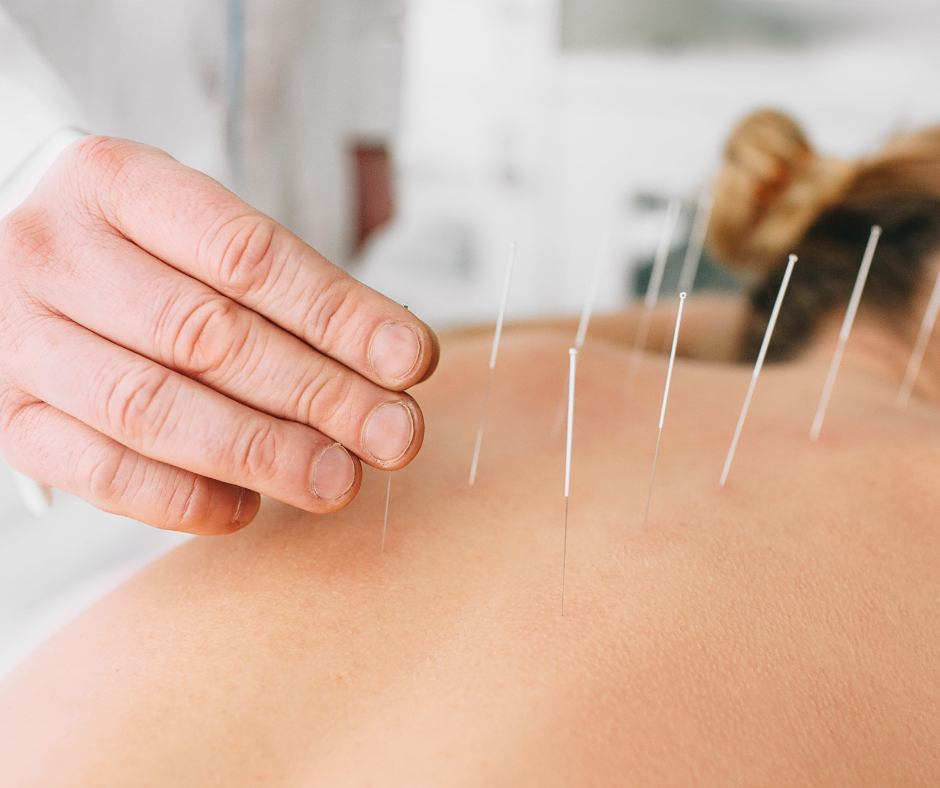
Acupuncture is a therapeutic practice that involves inserting very thin, sterile needles into specific points on the body. These points correspond to energy pathways, often called meridians, that influence organ systems, hormones, and overall balance.
From a modern medical perspective, acupuncture has been shown to:
- Stimulate blood flow
- Regulate the nervous system
- Reduce inflammation
- Influence hormone signaling
When the body is more balanced and less stressed, it can create a healthier environment for conception.
How Acupuncture Positively Impacts Fertility
1. Improves Blood Flow to Reproductive Organs
Healthy blood flow to the uterus and ovaries is essential for fertility. Acupuncture may help increase circulation to these areas, which can:
- Support a thicker, more receptive uterine lining
- Improve ovarian function
- Enhance egg and sperm quality
Better circulation means reproductive organs receive more oxygen and nutrients—key ingredients for conception.
2. Supports Hormonal Balance
Hormones play a central role in ovulation, menstrual regularity, and implantation. Acupuncture can help regulate the hypothalamic-pituitary-ovarian (HPO) axis, which controls reproductive hormones.
Patients often report:
- More regular menstrual cycles
- Reduced symptoms of PMS
- Improved ovulation timing
This hormonal balance can be especially beneficial for individuals with PCOS, irregular cycles, or unexplained infertility.
3. Reduces Stress and Cortisol Levels
Fertility challenges can be emotionally taxing. Chronic stress raises cortisol levels, which may interfere with reproductive hormones and ovulation.
Acupuncture activates the parasympathetic nervous system—the body’s “rest and relax” mode—helping to:
- Lower stress hormones
- Improve sleep quality
- Reduce anxiety related to fertility treatments
Many patients describe acupuncture sessions as deeply calming, which alone can positively affect overall reproductive health.
4. Enhances the Effectiveness of IVF and IUI
Acupuncture is commonly used alongside assisted reproductive technologies such as IVF and IUI.
Research suggests it may:
- Improve uterine receptivity before embryo transfer
- Reduce uterine contractions during implantation
- Support emotional well-being during treatment cycles
At Hudson Valley Fertility, we often see acupuncture used as a complementary therapy to help patients feel more grounded and supported throughout their treatment process.
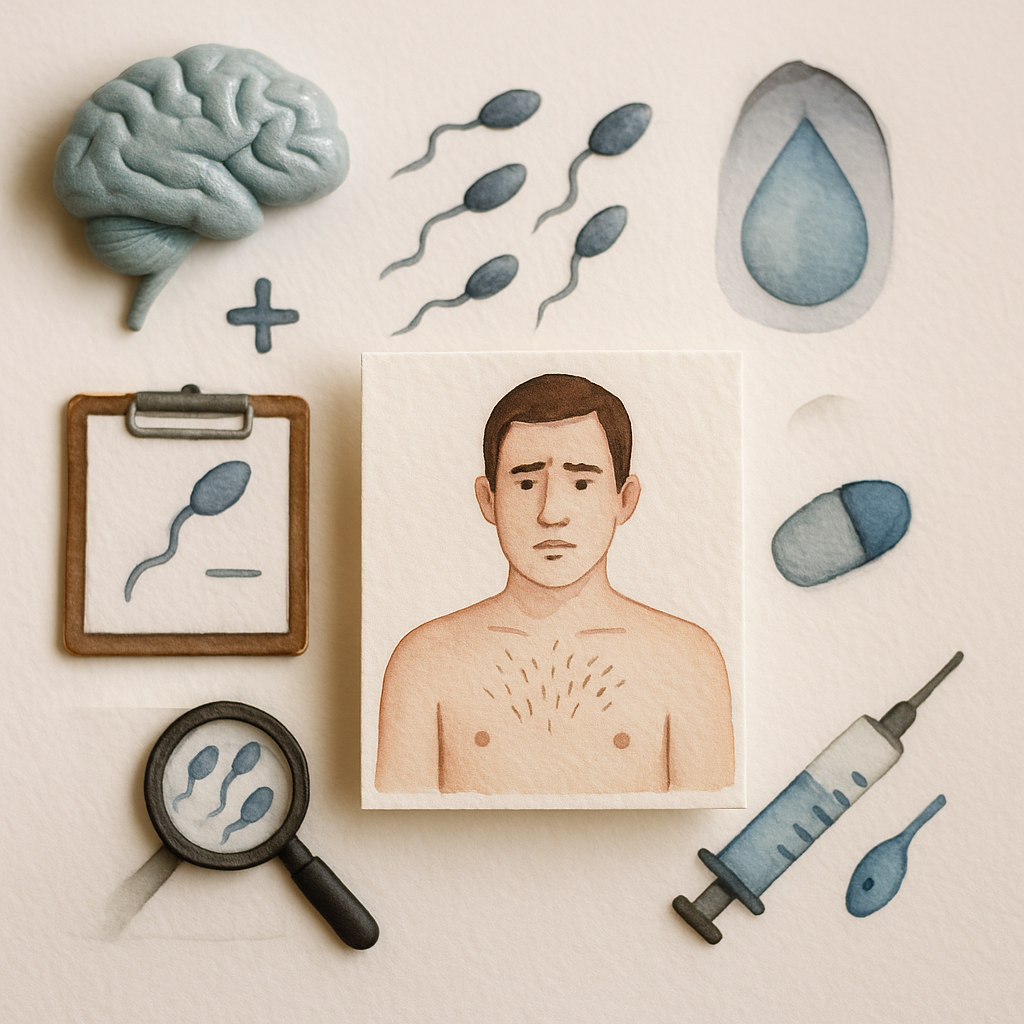
Acupuncture for Male Fertility
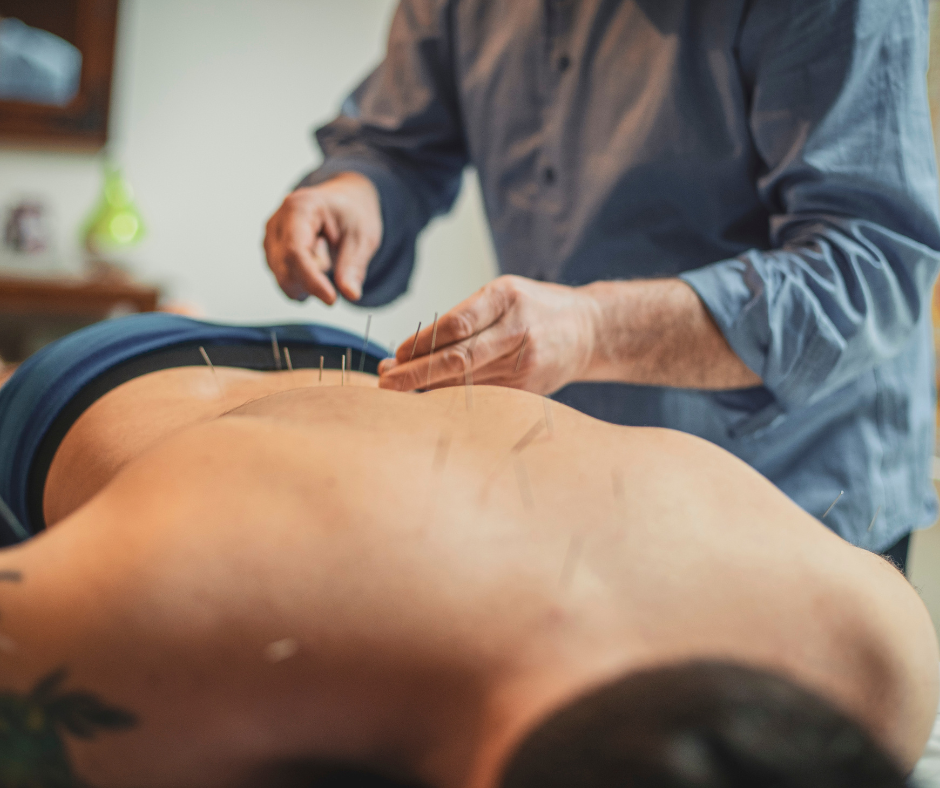
Fertility is a shared journey, and acupuncture can benefit male partners as well. Studies indicate acupuncture may help:
- Improve sperm motility and morphology
- Reduce oxidative stress affecting sperm DNA
- Support testosterone balance
By addressing whole-body health, acupuncture supports both partners in optimizing fertility potential.
Is Acupuncture Safe During Fertility Treatment?
When performed by a licensed and experienced acupuncturist—especially one trained in fertility care—acupuncture is considered very safe. Treatments are customized based on:
- Cycle phase
- Diagnosis
- Whether you are trying naturally or undergoing IVF/IUI
We always recommend coordinating care between your fertility provider and acupuncturist for the best outcomes.
Frequently Asked Questions (FAQs)
1. How often should I do acupuncture for fertility?
Most patients start with weekly sessions, increasing frequency around ovulation or embryo transfer depending on their treatment plan.
2. How long does it take to see results?
Some people notice changes within one to three cycles, though timelines vary based on individual health factors.
3. Can acupuncture help unexplained infertility?
Yes. By improving circulation, hormone regulation, and stress reduction, acupuncture can support fertility even when no clear diagnosis is present.
4. Does acupuncture hurt?
The needles are extremely thin. Most patients feel little to no discomfort and often feel deeply relaxed during sessions.
5. Can I do acupuncture while undergoing IVF?
Absolutely. Many fertility clinics encourage acupuncture before and after embryo transfer.
6. Is acupuncture only for women?
No. Acupuncture can be very beneficial for male fertility and overall reproductive health.
A Holistic Approach to Fertility Care
At Hudson Valley Fertility, we recognize that fertility is more than a medical process; it’s a physical, emotional, and personal journey. Acupuncture offers a positive, supportive way to enhance fertility by nurturing balance within the body and mind.
When combined with evidence-based fertility treatments, acupuncture can help create the healthiest possible environment for conception, naturally and gently.
If you’re curious about integrating acupuncture into your fertility plan, our team is happy to guide you toward trusted complementary care options that align with your goals.