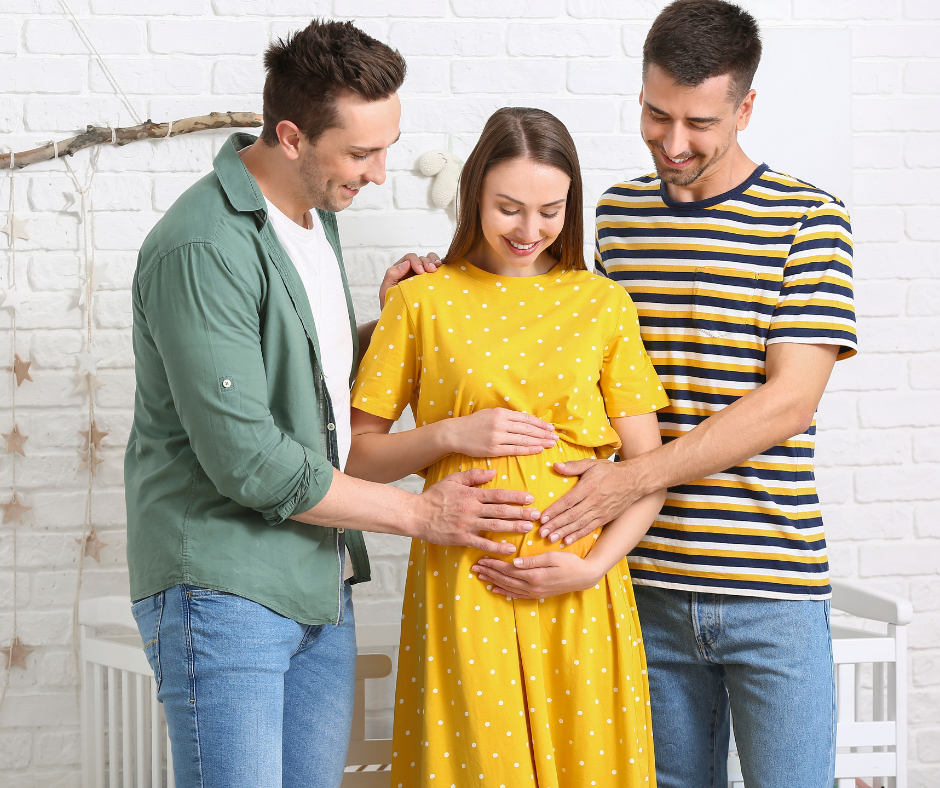
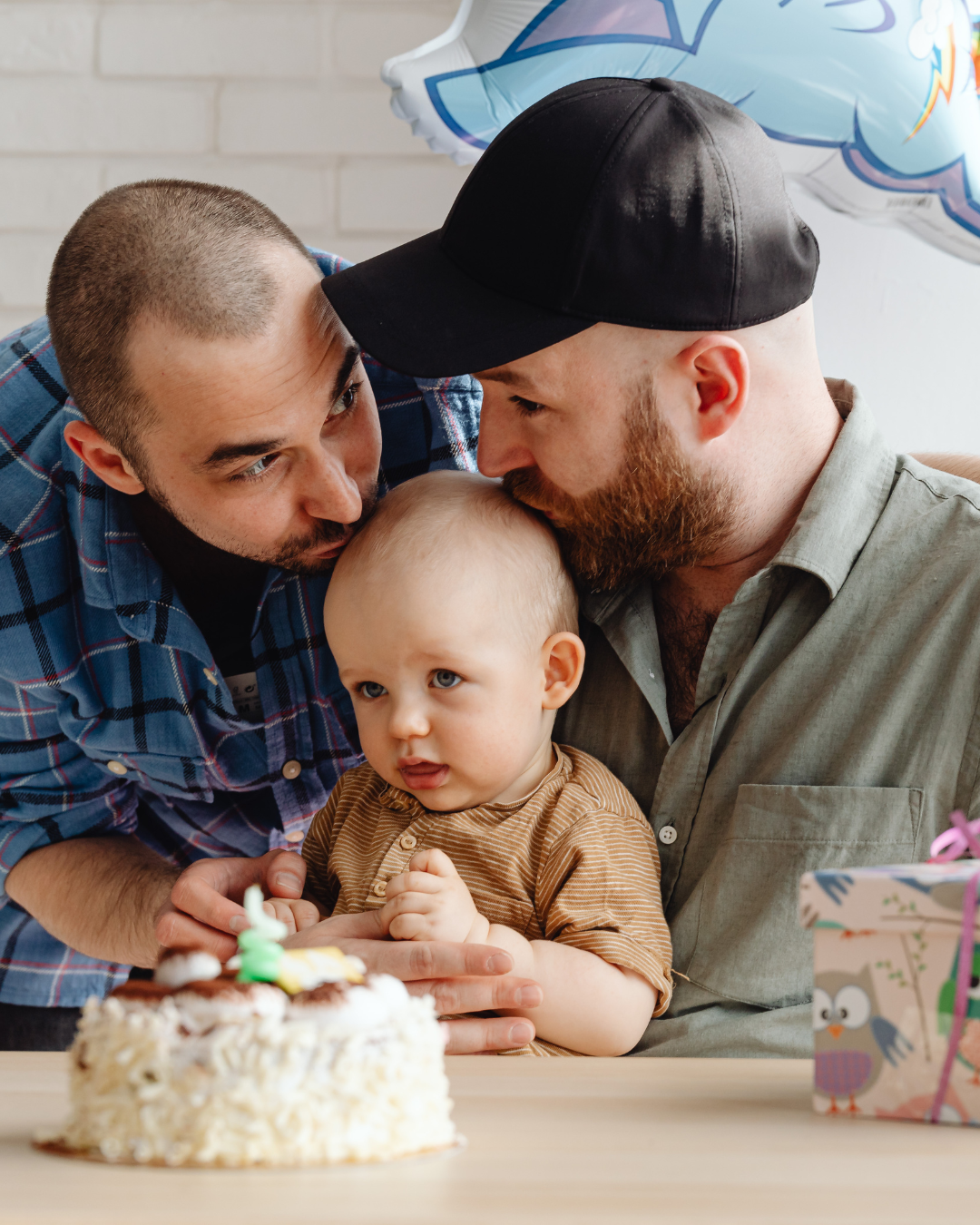
Building a family is an exciting milestone, and for many same-sex couples, assisted reproductive technology provides a safe, effective, and personalized path to parenthood. Two of the most common fertility treatment options are Intrauterine Insemination (IUI) and In Vitro Fertilization (IVF).


While both treatments have helped countless families grow, the right choice depends on several factors, including your family's goals, medical history, age, fertility health, timeline, and budget.


At Hudson Valley Fertility, we believe every family-building journey deserves individualized care. Here's what same-sex couples should know when deciding between IVF and IUI.
Understanding IUI

Intrauterine Insemination (IUI) is often one of the first fertility treatments considered because it is less invasive and generally more affordable than IVF.


During an IUI cycle:

  • Ovulation is carefully monitored.
  • Donor sperm is prepared in the laboratory.
  • The sperm is placed directly into the uterus during the most fertile time of the cycle.
  • Fertilization occurs naturally inside the body.


For female same-sex couples where one partner plans to carry the pregnancy and has no known fertility concerns, IUI may be an excellent first step.


Benefits of IUI

  • Less invasive procedure
  • Lower upfront cost
  • Shorter treatment process
  • Minimal recovery time
  • Can be repeated over multiple cycles


Understanding IVF

In Vitro Fertilization (IVF) is a more advanced fertility treatment that involves fertilizing eggs with sperm in a specialized embryology laboratory before transferring an embryo into the uterus.


The IVF process typically includes:

  • Ovarian stimulation medications
  • Egg retrieval procedure
  • Fertilization using donor sperm
  • Embryo development in the laboratory
  • Embryo transfer
  • Pregnancy testing approximately two weeks later


IVF offers additional options and flexibility that many same-sex couples find valuable.


Why Many Same-Sex Couples Choose IVF

Although IVF requires a greater financial investment, it offers several advantages that may increase the likelihood of pregnancy or allow for unique family-building options.


Higher Pregnancy Success Rates

IVF generally offers higher success rates per treatment cycle compared to IUI, particularly for:

  • Individuals over age 35
  • Patients with fertility concerns
  • Those wishing to minimize the number of treatment cycles


Higher success rates may reduce the emotional and financial strain of undergoing multiple unsuccessful IUI attempts.


Reciprocal IVF

One unique option available to female same-sex couples is Reciprocal IVF.

With reciprocal IVF:

  • One partner provides the eggs.
  • The eggs are fertilized using donor sperm.
  • The resulting embryo is transferred into the other partner, who carries the pregnancy.


This allows both partners to participate biologically in creating their child—one genetically and one through pregnancy.


Many couples appreciate the shared experience that reciprocal IVF offers.


Genetic Testing Options

IVF also provides the opportunity for Preimplantation Genetic Testing (PGT) when medically appropriate.

PGT can help identify certain chromosomal abnormalities before embryo transfer, allowing patients and physicians to select embryos with the greatest chance of developing into a healthy pregnancy.

While genetic testing isn't necessary for every patient, it may be recommended based on age, medical history, or previous pregnancy losses.

When Is IUI Recommended?

Your reproductive endocrinologist may recommend starting with IUI if:

  • The partner carrying the pregnancy has regular ovulation.
  • There are no known fertility issues.
  • You are younger than 35.
  • You prefer a less invasive approach.
  • You wish to begin with the most cost-effective treatment option.


Many same-sex couples successfully conceive with IUI after one or more treatment cycles.


When IVF May Be the Better Choice

IVF may be recommended if:

  • The intended parent is over age 35.
  • Fertility testing reveals diminished ovarian reserve.
  • There is endometriosis or tubal disease.
  • Previous IUI cycles have been unsuccessful.
  • You are pursuing reciprocal IVF.
  • You want the option of genetic embryo testing.
  • You hope to create embryos for future siblings.


Because embryos can be frozen for future use, IVF also offers additional flexibility when planning multiple children.


Choosing Donor Sperm

Whether pursuing IUI or IVF, selecting donor sperm is an important step.


Patients may choose:

  • Anonymous sperm donors
  • Open-identity donors
  • Directed (known) donors, when appropriate


Hudson Valley Fertility works closely with patients throughout this process and can help coordinate with reputable sperm banks while ensuring all required medical screenings are completed.


Which Treatment Has Better Success Rates?

Success depends on many factors, including:

  • Age
  • Egg quality
  • Ovarian reserve
  • Uterine health
  • Overall reproductive health


While IVF generally offers higher pregnancy rates per cycle, IUI remains a highly successful option for many patients with no underlying fertility concerns.


The best treatment isn't necessarily the most advanced; it's the one that's right for your individual circumstances.


Personalized Fertility Care Matters

Every family-building journey is different.

Some couples become pregnant after a single IUI cycle, while others achieve success through IVF or reciprocal IVF. There's no one-size-fits-all approach.


At Hudson Valley Fertility, our board-certified reproductive endocrinologists develop customized treatment plans based on your goals, medical history, and timeline. We proudly provide inclusive, compassionate fertility care for LGBTQ+ individuals and couples throughout the Hudson Valley and beyond.


Whether you're just beginning to explore your options or you're ready to take the next step toward parenthood, our team is here to guide you every step of the way.


Ready to Start Your Family-Building Journey?

If you're considering IUI, IVF, or reciprocal IVF, Hudson Valley Fertility can help you understand your options and develop a personalized treatment plan tailored to your family's goals.


Schedule a consultation with our experienced fertility specialists to learn which path may be right for you.

Together, we'll help you move one step closer to building the family you've been dreaming of.


Frequently Asked Questions

Is IVF more successful than IUI for same-sex couples?

In general, IVF has higher pregnancy success rates per treatment cycle than IUI. However, many same-sex couples successfully conceive with IUI, especially when no fertility concerns are present.


What is reciprocal IVF?

Reciprocal IVF allows one partner to provide the eggs while the other partner carries the pregnancy, giving both partners a biological role in the family-building process.


Do same-sex couples need fertility testing before treatment?

Yes. Even if there are no known fertility issues, fertility testing helps your physician recommend the treatment most likely to result in a healthy pregnancy.


Can we choose our sperm donor?

Yes. Patients can choose anonymous, open-identity, or, in some situations, known donors. Your fertility team will help guide you through the medical and legal considerations.


Can embryos be frozen for future pregnancies?

Yes. IVF allows embryos to be cryopreserved for future family-building, which can be especially helpful for couples hoping to have multiple children.
June 5, 2026
Starting a family is an exciting and meaningful journey. Today, advances in reproductive medicine have created more opportunities than ever for LGBTQ+ individuals and couples to achieve their dreams of parenthood. At HV Fertility, we are committed to providing compassionate, personalized fertility care that helps every family grow.  For gay couples, there are several pathways to parenthood, including surrogacy, egg donation, sperm donation, and fertility preservation. Understanding your options can help you make informed decisions and create a family-building plan that aligns with your goals.
May 29, 2026
Traveling during fertility treatment doesn't have to derail your journey. Learn expert tips from Hudson Valley Fertility on managing IVF, IUI, medications, monitoring appointments, and fertility care while on vacation or traveling for work.
May 8, 2026
Mother’s Day can feel especially difficult for women navigating infertility, pregnancy loss, or miscarriage in the Hudson Valley, NY. Discover compassionate ways to care for yourself, set boundaries, and find support during this emotional holiday.
April 24, 2026
Infertility Awareness Week 2026 reminds patients that you are more than your infertility. Learn how Hudson Valley Fertility supports straight, gay, bi, and trans patients with personalized family-building care.
April 3, 2026
HV Fertility Wellness Approach combines acupuncture, nutrition, and yoga to support fertility treatment in Hudson Valley, NY, enhancing success, balance, and overall well-being.
March 27, 2026
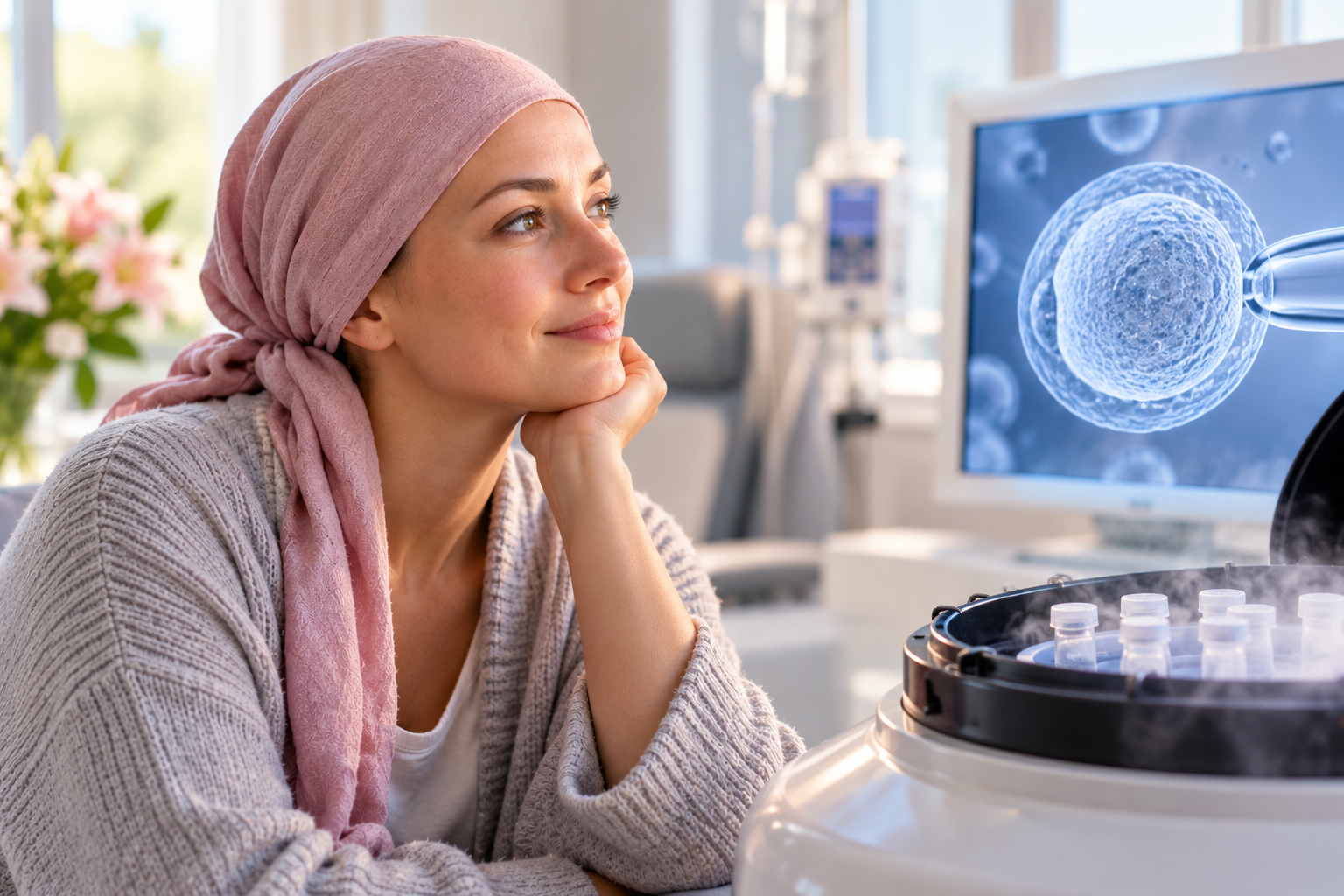
5 Eye-Opening Secrets About Egg Freezing You Need to Know
March 6, 2026
Discover why psychiatry and mental health support are essential during infertility treatment. Learn how emotional wellness improves outcomes and supports patients through the fertility journey.  Infertility can be one of the most emotionally challenging experiences a person or couple can face. Between medical appointments, uncertainty, financial strain, and the emotional toll of trying to conceive, the journey can feel overwhelming. That’s why psychiatry and mental health support play such a critical role in fertility care. At Hudson Valley Fertility , we believe that fertility treatment should address the whole person—not just the physical aspects of reproduction. Emotional wellbeing, stress management, and psychological support are vital components of a healthy fertility journey. When mental health care is integrated with fertility treatment, patients are better equipped to navigate the ups and downs that often accompany infertility. In this article, we’ll explore the importance of psychiatric and mental health support during fertility treatment, how it impacts wellness, and practical ways patients can protect their emotional health while pursuing parenthood.
February 27, 2026
Ozempic Babies are becoming more common as GLP-1 medications impact fertility. Learn what this means for patients of Hudson Valley Fertility in Fishkill, NY.
February 13, 2026
Hudson Valley fertility: 7 Heartfelt Ways to Celebrate Love and Hope This Valentine’s Day Hudson Valley fertility support is about more than medicine, it’s about community, compassion, and hope. Discover meaningful Valentine’s Day ideas tailored to local families across the Hudson Valley. Valentine’s Day is often filled with roses, candlelit dinners, and sweet notes tucked into cards. But for many couples navigating Hudson Valley fertility challenges, this holiday can stir up mixed emotions. Love is still at the center, but so is hope, resilience, and the dream of growing a family. If you’re in the beautiful Hudson Valley , you’re surrounded by more than scenic views and historic towns. You’re part of a close-knit, compassionate community. This Valentine’s Day, let’s shift the focus from pressure to partnership, and explore meaningful, local ways to celebrate love while honoring your fertility journey. Why Valentine’s Day Feels Different During a Fertility Journey Valentine’s Day can sometimes feel like it’s all about babies, growing families, and picture-perfect love stories. When you’re trying to conceive, that can be hard. Social media posts, store displays, and even well-meaning conversations can feel overwhelming. But here’s the truth: love is bigger than timelines. Whether you’re just starting treatment, exploring options, or simply having conversations about your future, your relationship deserves recognition. This season can become a powerful reminder that your bond is strong—no matter where the journey leads. Understanding Hudson Valley fertility Support and Community Resources The Hudson Valley isn’t just a postcard-perfect destination. It’s home to respected medical providers, wellness centers, and community groups that understand the emotional and physical sides of fertility care. Local Access to Compassionate Care From Poughkeepsie to Rhinebeck , couples have access to leading medical networks, including facilities affiliated with Vassar Brothers Medical Center . These centers provide reproductive health services and referrals to fertility specialists throughout the region. Many families also travel to nearby areas such as Beacon and New Paltz for holistic wellness services that complement medical treatment, like acupuncture, counseling, and nutrition support. For national guidance on fertility health, the CDC provides reliable educational resources here: https://www.cdc.gov/reproductivehealth/infertility/ Emotional Support Close to Home The Hudson Valley is known for its strong sense of community. Local support groups, faith communities, and wellness centers often host small gatherings where couples can share their experiences in a safe space. On Valentine’s Day, consider connecting with a counselor or support group if emotions feel heightened. It’s not a sign of weakness, it’s a sign of strength. 7 Meaningful Valentine’s Day Ideas for Couples Facing Fertility Challenges Instead of traditional celebrations that might feel triggering, try these thoughtful, locally inspired alternatives. 1. Take a Scenic Winter Walk Together Bundle up and stroll along the iconic Walkway Over the Hudson . The sweeping river views are breathtaking in winter, and the quiet atmosphere makes space for honest conversations. Sometimes, the best therapy is fresh air and time together. 2. Plan a Cozy Hudson Valley Staycation The Hudson Valley is known for charming inns and boutique hotels. Book a one-night getaway in a nearby town and disconnect from daily stress. Bring books, order room service, and focus solely on each other. No pressure. No expectations. Just presence. 3. Create a “Future Dreams” Date Night Light candles at home and write letters to your future family—or to each other. Share hopes, fears, and dreams. Even if the path feels uncertain, putting words to your vision can feel empowering. 4. Support Local Businesses Together Visit a local chocolatier, florist, or farm-to-table restaurant. Keeping your Valentine’s plans rooted in the Hudson Valley community adds meaning and connection. 5. Try a Couples Wellness Experience Book a massage, yoga session, or acupuncture appointment together. Many local wellness providers in Rhinebeck and New Paltz specialize in stress reduction, which can play a key role in reproductive health. 6. Volunteer or Give Back Channel your love outward. Volunteer at a local shelter or donate to a family-focused nonprofit. Giving back can help shift focus from what feels missing to what you can offer. 7. Redefine What Romance Means Romance doesn’t have to mean baby announcements or big gestures. It can mean: Holding hands during appointments Making each other laugh on tough days Saying “we’re in this together” That’s powerful love. How to Communicate with Your Partner During Fertility Treatment Open communication is the backbone of any relationship, but especially during fertility care. Here are practical tips: Schedule regular check-ins. Talk about emotions outside of medical appointments. Use “I feel” statements. Avoid blame and focus on your own experience. Allow different coping styles. One partner may want to talk constantly; the other may need quiet reflection. Both are valid. Celebrate small wins. Even scheduling a consultation can be progress. This Valentine’s Day, consider setting aside time specifically for gratitude. Tell your partner what you appreciate about them—not just in this journey, but in life. Self-Care Tips for Valentine’s Day in the Hudson Valley If the holiday feels heavy, that’s okay. You can still create a day that feels meaningful. Spend time in nature along the Hudson River. Journal your thoughts while sipping coffee at a local café. Limit social media if it feels overwhelming. Schedule a therapy session before or after the holiday. Remember: your emotions are valid. It’s okay to feel hopeful and heartbroken at the same time. The Power of Community in Hudson Valley fertility Journeys One of the greatest strengths of the Hudson Valley is its people. Neighbors check in. Friends rally around each other. Local businesses remember your name. Fertility journeys can feel isolating, but they don’t have to be. When you lean into your local support system, whether through medical providers, wellness practitioners, or community groups, you’re reminding yourself that you’re not walking alone. Valentine’s Day can become less about comparison and more about connection. Frequently Asked Questions 1. How can couples in the Hudson Valley cope with Valentine’s Day during fertility treatment? Focus on meaningful, low-pressure activities like scenic walks, wellness appointments, or quiet dinners at home. Shift the emphasis from outcomes to connection. 2. Are there fertility support resources locally? Yes. The Hudson Valley offers medical networks, counseling services, and holistic wellness providers across towns like Poughkeepsie, Rhinebeck, Beacon, and New Paltz. 3. Is it normal to feel sad on Valentine’s Day while trying to conceive? Absolutely. Mixed emotions are common. Acknowledging them instead of suppressing them can help you process the holiday in a healthier way. 4. What are some romantic but low-stress ideas for couples? Staycations, couples massages, journaling together, or nature walks are all intimate without added pressure. 5. How can partners better support each other? Communicate openly, respect different coping styles, and schedule intentional time to connect emotionally. 6. Does stress affect fertility? While stress alone doesn’t cause infertility, high stress levels can impact overall well-being. Stress-reduction techniques such as mindfulness, exercise, and counseling may support overall health. Conclusion: Celebrating Love, Strength, and Hope This Valentine’s Day, redefine what celebration means. Love isn’t measured by timelines, test results, or announcements. It’s measured by commitment, compassion, and courage. In the heart of the Hudson Valley, surrounded by river views and resilient communities, your journey is part of a bigger story, one rooted in hope. Whether you spend February 14th walking above the river, sharing a quiet dinner, or simply holding hands at home, remember this: Love is already here. And that’s worth celebrating.
January 23, 2026
How Sleep Affects Fertility: Why Rest Matters More Than You Think At Hudson Valley Fertility , we often talk with patients about nutrition, hormones, stress, and timing. One factor that is frequently overlooked, but incredibly powerful, is sleep . Quality sleep plays a vital role in reproductive health for people of all genders, influencing hormones, ovulation, sperm quality, and overall fertility outcomes. In this article, we’ll explore how sleep affects fertility, why poor sleep can make conception more difficult, and what practical steps you can take to support your reproductive goals through better rest.