Mother’s Day can feel especially difficult for women navigating infertility, pregnancy loss, or miscarriage in the Hudson Valley, NY. Discover compassionate ways to care for yourself, set boundaries, and find support during this emotional holiday.

Mother’s Day While Navigating Infertility in the Hudson Valley: Gentle Ways to Protect Your Peace and Honor Your Journey
For many families across the Hudson Valley, Mother’s Day is filled with flowers, brunches, photographs, and celebration. But for women navigating infertility, miscarriage, pregnancy loss, or fertility treatments, the holiday can feel deeply emotional in ways others may not fully understand.
If you are struggling with infertility in the Hudson Valley, NY, you are not alone. Many women quietly carry the weight of unanswered questions, grief, hope, disappointment, and emotional exhaustion while trying to move through holidays that center around motherhood. Mother’s Day can bring up complicated feelings even for those who are usually coping well throughout the year.
This article is meant to offer gentle encouragement, practical support, and compassionate guidance for women who may be finding this season difficult. Whether you are in the middle of fertility treatments, grieving a miscarriage, waiting after another cycle, or simply feeling emotionally overwhelmed, your experience matters and deserves care.
Why Mother’s Day Can Feel So Difficult During Infertility
Mother’s Day often carries emotional pressure because it is impossible to avoid reminders of motherhood. From social media posts to family gatherings and advertisements, the holiday can create feelings of sadness, isolation, anger, or longing.
The Emotional Weight of Expectations
Many women struggling with infertility already carry an invisible emotional load throughout the year. Holidays can intensify that experience. You may feel pressure to appear “okay” even when your heart feels heavy.
For some women in the Hudson Valley community, Mother’s Day may highlight:
- Another year of trying to conceive
- The pain of pregnancy loss
- Anxiety surrounding IVF or fertility treatments
- Fear about the future
- Feeling left out in social settings
These emotions are valid. There is no “correct” way to experience this holiday.
Grief That Others May Not See
Infertility grief is often invisible. Miscarriage grief can also feel deeply isolating because many women suffer quietly without discussing their experience publicly.
A woman may look calm on the outside while carrying profound sadness internally. Because infertility is not always visible, friends and relatives may unintentionally overlook how difficult Mother’s Day can be.
That is why self-compassion is so important during this season.

Honoring Every Type of Motherhood Journey
One of the most healing things women can do during difficult holidays is acknowledge that motherhood journeys come in many forms.
Women Trying to Conceive
Trying to conceive month after month can be emotionally exhausting. The constant cycle of hope and disappointment often impacts mental health, relationships, and self-esteem.
If you are currently trying to conceive, please remember:
- Your worth is not defined by fertility
- You do not need to force positivity
- It is okay to grieve what you hoped this season would look like
You deserve support, tenderness, and understanding.
Those Healing After Miscarriage or Pregnancy Loss
Pregnancy loss changes people in ways that are difficult to describe. Even early miscarriages can carry deep emotional significance.
For some women, Mother’s Day may trigger memories of:
- Due dates
- Positive pregnancy tests
- Doctor appointments
- Dreams for the future
Healing is not linear. Some years may feel easier than others. Allow yourself the freedom to experience the day honestly without judgment.
Women Navigating IVF or Fertility Treatments
Fertility treatments can be physically and emotionally draining. Hormonal changes, appointments, financial stress, and uncertainty can make holidays particularly difficult.
Women undergoing IVF or fertility treatments often feel pressure to stay hopeful while simultaneously protecting themselves emotionally. That balance is not easy.
You are allowed to:
- Take breaks from conversations
- Decline invitations
- Rest
- Avoid triggering environments
- Ask for emotional support
Gentle Ways to Prepare Emotionally for the Holiday
Mother’s Day may feel more manageable with intentional preparation and realistic expectations.
Giving Yourself Permission to Feel
Some women feel sadness. Others feel anger, numbness, jealousy, grief, hope, or all of those emotions at once.
Instead of judging your feelings, try acknowledging them gently.
You might say:
- “This day feels hard for me.”
- “I am allowed to protect my peace.”
- “My emotions make sense.”
Suppressing emotions often creates more stress. Compassionate self-awareness can reduce emotional pressure.
Creating a Flexible Plan for the Day
It can help to think ahead about how you want to spend Mother’s Day.
Ask yourself:
- Would attending family events feel supportive or overwhelming?
- Do I need quiet time?
- Who feels emotionally safe to be around?
- What activities help me feel grounded?
Some women in the Hudson Valley choose restorative activities such as:
- Visiting nature trails
- Spending time near the Hudson River
- Booking a massage or spa treatment
- Journaling
- Reading
- Taking a social media break
- Connecting with trusted friends
A flexible plan can reduce anxiety and help you feel more in control.
Setting Healthy Boundaries With Family and Friends
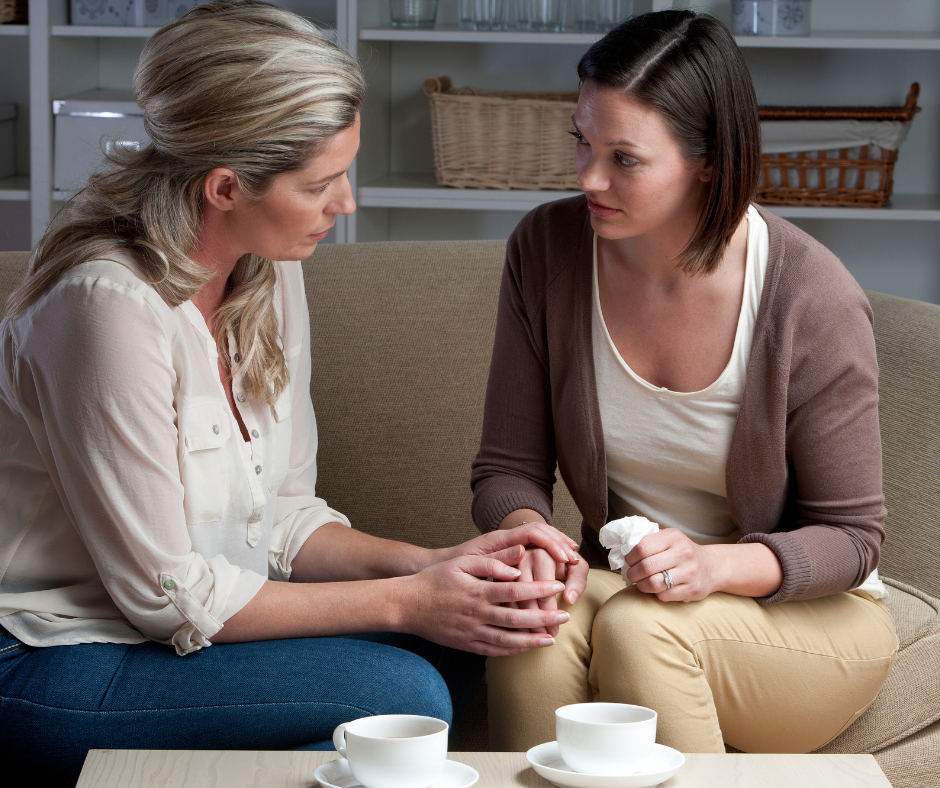
Boundaries are not selfish. They are a form of emotional care.
How to Say No Without Guilt
You are not obligated to attend every event or answer every personal question.
Simple responses can be enough:
- “I’m taking some quiet time this weekend.”
- “I won’t be able to make it, but I hope you have a lovely day.”
- “I’m focusing on self-care right now.”
You do not owe anyone detailed explanations.
Protecting Your Emotional Energy
Certain conversations may feel especially painful during fertility struggles.
It is okay to step away from:
- Pregnancy announcements
- Unsolicited advice
- Questions about having children
- Comparisons
- Toxic positivity
Protecting your peace is not rude. It is healthy.
Finding Comfort in the Hudson Valley, NY
The Hudson Valley offers many peaceful spaces that can provide emotional grounding during difficult seasons.
Quiet Places for Reflection and Healing
Nature can be incredibly calming during emotionally heavy periods. Many women find comfort in quiet outdoor experiences that allow space to breathe and process emotions gently.
Some peaceful Hudson Valley locations include:
- Walkway Over the Hudson in Poughkeepsie
- Minnewaska State Park Preserve
- Vanderbilt Mansion grounds
- Storm King Art Center
- Scenic riverfront parks throughout Dutchess County
Spending time outdoors may not remove grief, but it can create moments of calm and clarity.
Wellness Activities and Self-Care Ideas
Self-care during infertility is not about “fixing” difficult emotions. It is about creating moments of support and comfort.
Consider:
- Gentle yoga
- Therapy or counseling
- Meditation classes
- Acupuncture
- Creative hobbies
- Spending time with emotionally safe people
According to the American Society for Reproductive Medicine, emotional support can play an important role in fertility wellness and mental health during treatment journeys.
For additional emotional support resources, organizations like Resolve: The National Infertility Association also provide guidance and community support for those experiencing infertility and pregnancy loss.
Supporting a Partner Through Infertility During Holidays
Infertility affects relationships in different ways. Partners may process grief differently, which can sometimes create misunderstandings.
Communication and Compassion
One partner may want to talk openly while the other withdraws emotionally. Neither response is wrong.
Helpful approaches include:
- Asking what support feels most helpful
- Avoiding assumptions
- Creating space for honest conversations
- Respecting emotional differences
Sometimes simply saying, “I know this day may feel hard,” can mean a great deal.
Navigating Grief Together
Couples often feel pressure to stay optimistic, but honesty can strengthen emotional connection.
You do not need to solve each other’s pain. Presence and understanding matter more than perfect words.
How Friends and Family Can Offer Meaningful Support
Loved ones often want to help but may not know what to say.
Helpful Things to Say
Supportive phrases may include:
- “I’m thinking about you today.”
- “You don’t have to pretend with me.”
- “I’m here if you need support.”
- “I care about what you’re going through.”
Simple acknowledgment can feel deeply validating.
What to Avoid Saying
Even well-intended comments can feel painful.
Try to avoid:
- “Everything happens for a reason.”
- “Just relax.”
- “At least you can try again.”
- “It will happen when the time is right.”
These statements may unintentionally minimize grief.
Listening with compassion is often more helpful than trying to “fix” the situation.
Coping With Social Media on Mother’s Day
Social media can feel especially overwhelming during emotionally sensitive holidays.
Creating Healthy Digital Boundaries
You are allowed to mute accounts, limit screen time, or avoid social media completely.
Protecting your mental health online is important.
Some women choose to:
- Stay offline for the day
- Curate their feeds
- Spend more time in real-life activities
- Avoid scrolling late at night
Giving Yourself Permission to Disconnect
You do not need to consume content that increases emotional distress.
Choosing distance from social media is not avoidance. Sometimes it is a necessary form of self-care.
Local Fertility and Emotional Support Resources in the Hudson Valley
Seeking support does not mean you are weak. Infertility and pregnancy loss can be emotionally complex experiences that deserve compassionate care.
Counseling and Support Groups
Many women benefit from speaking with:
- Licensed therapists
- Fertility counselors
- Pregnancy loss support groups
- Online infertility communities
The Hudson Valley area offers access to both in-person and virtual mental health support services.
Fertility Care Resources
Women throughout the Hudson Valley often seek fertility care in nearby areas such as:
- Poughkeepsie
- Albany
- Westchester County
- NYC fertility centers
Finding a care team that prioritizes emotional sensitivity alongside medical treatment can make a meaningful difference.
Frequently Asked Questions
Is it normal to avoid Mother’s Day during infertility?
Yes. Many women choose to step back from celebrations or social media during difficult holidays. Protecting your emotional well-being is valid.
How can I support a friend struggling with infertility on Mother’s Day?
A simple, compassionate message acknowledging their experience can mean a lot. Avoid giving advice unless they ask for it.
Can holidays trigger grief after miscarriage?
Yes. Holidays often intensify emotions connected to loss, memory, and longing. This is a very common experience.
What are healthy boundaries during fertility struggles?
Healthy boundaries may include declining invitations, limiting difficult conversations, taking social media breaks, or prioritizing rest.
Should I force myself to attend family events?
Not necessarily. It is okay to make decisions based on your emotional capacity and mental health needs.
Where can women in the Hudson Valley find infertility support?
Women can explore fertility counseling, support groups, reproductive health specialists, and organizations like Resolve for emotional support and community resources.
Conclusion
Mother’s Day can be tender, complicated, and emotionally exhausting for women navigating infertility, miscarriage, or pregnancy loss in the Hudson Valley, NY. If this season feels difficult for you, please know your feelings are real and deserving of care.
You do not need to force joy, explain your grief, or carry emotional burdens alone. Whether you spend the day quietly at home, walking through the beauty of the Hudson Valley, leaning on trusted support, or simply resting, your healing matters.
Most importantly, your value is not measured by timelines, announcements, or expectations. Your journey deserves compassion, gentleness, and hope, exactly where you are today.