
Are you preparing for an embryo transfer and feeling uncertain about the seemingly simple task of drinking water beforehand? You're not alone. Many individuals undergoing fertility treatments find themselves puzzled by the instructions to arrive with a "full" or "fairly full" bladder. This comprehensive guide aims to demystify the process, explaining why proper hydration is crucial for a successful embryo transfer and how to achieve the ideal bladder fullness without discomfort.
Embryo transfer is a pivotal moment in the journey of assisted reproduction. It's the culmination of weeks, sometimes months, of preparation, hope, and medical intervention. While the procedure itself is relatively quick and painless, the steps leading up to it, including proper hydration, play a significant role in its success. Understanding the science behind the requirement for a full bladder and learning how to manage your fluid intake can help alleviate anxiety and contribute to a smoother transfer experience.
In this article, we'll explore the reasons behind the full bladder requirement, discuss optimal hydration strategies, and provide practical tips to help you achieve the right level of bladder fullness. We'll also address common concerns and offer advice on how to handle various scenarios that may arise during this crucial phase of your fertility treatment. Whether you're a first-timer or have been through the process before, this guide will equip you with the knowledge and confidence to approach your embryo transfer day with ease. Let's dive into the details of this often-overlooked aspect of fertility care and ensure you're well-prepared for this significant step towards parenthood.
Embryo transfer is a pivotal moment in the journey of assisted reproduction. It's the culmination of weeks, sometimes months, of preparation, hope, and medical intervention. While the procedure itself is relatively quick and painless, the steps leading up to it, including proper hydration, play a significant role in its success. Understanding the science behind the requirement for a full bladder and learning how to manage your fluid intake can help alleviate anxiety and contribute to a smoother transfer experience.
In this article, we'll explore the reasons behind the full bladder requirement, discuss optimal hydration strategies, and provide practical tips to help you achieve the right level of bladder fullness. We'll also address common concerns and offer advice on how to handle various scenarios that may arise during this crucial phase of your fertility treatment. Whether you're a first-timer or have been through the process before, this guide will equip you with the knowledge and confidence to approach your embryo transfer day with ease. Let's dive into the details of this often-overlooked aspect of fertility care and ensure you're well-prepared for this significant step towards parenthood.
The Science Behind the Full Bladder Requirement
Anatomical Considerations
When the bladder fills with urine, it expands and presses against the uterus. This gentle pressure causes the uterus to shift into a more horizontal position. The change in uterine orientation is beneficial for several reasons:
- It provides a straighter path for the catheter, reducing the risk of trauma to the cervix or uterine lining.
- It allows for more precise placement of the embryo within the uterus.
- It minimizes the chances of the catheter meeting resistance or taking an unintended route.
Enhanced Visualization
The fluid in the bladder creates a contrast that allows for:
- Better visualization of the uterine cavity
- Clearer delineation of the endometrial lining
- More precise identification of the optimal transfer location
This improved visibility enables the medical team to confirm the exact placement of the embryo, which is crucial for increasing the chances of implantation and subsequent pregnancy.
Reduced Uterine Contractions
Interestingly, a moderately full bladder can also help in reducing uterine contractions during and immediately after the transfer. Uterine contractions can potentially interfere with embryo implantation, so minimizing them is beneficial. The gentle pressure exerted by the full bladder on the uterus can have a calming effect, potentially creating a more stable environment for the embryo in the critical hours following transfer.Optimizing Embryo Environment
Understanding these scientific principles behind the full bladder requirement can help patients appreciate the importance of following hydration guidelines. It's not just about drinking water; it's about creating the best possible conditions for a successful embryo transfer. In the next sections, we'll explore how to achieve this ideal state of bladder fullness without causing undue discomfort or stress.
Determining the Right Amount of Water
Understanding "Comfortably Full"
- You should feel a definite urge to urinate, but not an overwhelming need.
- You might experience a slight sensation of pressure in your lower abdomen.
- You should be able to hold your urine without significant discomfort for at least 30 minutes.
Factors Affecting Hydration Needs
- Individual Physiology : Bladder capacity varies from person to person.
- Hydration Status : If you're well-hydrated generally, you may need less water to fill your bladder.
- Caffeine Intake : Caffeine can increase urine production, affecting how quickly your bladder fills.
- Stress Levels : Anxiety can sometimes increase the urge to urinate.
- Time of Day : Your body's natural rhythms can affect fluid retention and bladder sensitivity.
General Guidelines for Water Intake
- Empty your bladder completely about 1-1.5 hours before the scheduled transfer time.
- Drink 16-24 ounces (about 500-700 ml) of water over the next 30-45 minutes.
- Stop drinking water about 45 minutes before the transfer.
Signs You've Overdone It
If you've drunk too much water, you might experience:- Intense urgency or discomfort
- Inability to focus on anything but the need to urinate
- Visible distension of the lower abdomen
By following these guidelines and paying attention to your body's signals, you can achieve the right level of bladder fullness for your embryo transfer. Remember, the goal is to create optimal conditions for the procedure while maintaining your comfort. In the next section, we'll explore strategies for managing your hydration on the day of the transfer.
Hydration Strategies for Transfer Day
Starting Your Day Right
Begin your transfer day with a focus on balanced hydration:- Wake Up Well : Start your day by drinking a glass of water upon waking. This helps kickstart your hydration after a night's sleep.
- Balanced Breakfast : Consume foods with high water content, such as fruits or oatmeal, which can contribute to your overall hydration without overloading your system.
- Avoid Diuretics : Limit or avoid caffeine and alcohol in the days leading up to and especially on the day of transfer, as these can increase urine production and complicate bladder management.
Timing Your Fluid Intake
Proper timing is key to achieving the right level of bladder fullness:- Gradual Approach : Instead of consuming a large amount of water all at once, drink smaller amounts consistently throughout the hours leading up to your transfer.
- Follow the 1-Hour Rule : Begin your focused hydration about an hour before your scheduled transfer time. This allows enough time for the fluids to reach your bladder.
- Taper Off : Reduce your fluid intake as you get closer to the transfer time to avoid overhydration.
Choosing the Right Fluids
Not all fluids are created equal when it comes to preparing for an embryo transfer:- Water is Best : Plain water is the ideal choice for hydration. It's easily processed by your body and doesn't contain any substances that might irritate your bladder.
- Electrolyte Balance : If you're prone to frequent urination, consider a low-sugar electrolyte drink to help your body retain the necessary fluids.
- Avoid Carbonation : Steer clear of carbonated beverages, which can cause bloating and discomfort.
- Temperature Matters : Room temperature water is often easier for your body to process quickly compared to very cold water.
Managing Stress and Hydration
Stress can significantly impact your body's fluid retention and urge to urinate. Here are some strategies to manage stress-related hydration issues:- Practice Relaxation Techniques : Deep breathing exercises or gentle meditation can help calm your nerves and reduce stress-induced frequent urination.
- Distraction Methods : Engage in light activities or conversation to take your mind off your bladder, especially in the waiting room.
- Positive Visualization : Focus on the positive outcome of the procedure rather than worrying about your bladder fullness.
Adapting to Clinic Schedules
Sometimes, despite careful planning, clinic schedules can run behind or ahead. Be prepared to adapt:- Bring Extra Water : Have a small bottle of water with you in case you need to top up your hydration if there are delays.
- Communicate with Staff : Don't hesitate to inform the clinic staff if you're feeling overly full or not full enough. They can often accommodate by adjusting the schedule slightly or allowing a partial void.
- Be Flexible : If you arrive and find you're not quite full enough, most clinics have water available and can give you time to drink more if needed.
Post-Transfer Hydration
Your hydration needs don't end with the transfer:- Gradual Return to Normal : After the transfer, slowly return to your normal fluid intake. Avoid sudden large quantities of fluid.
- Stay Hydrated : Proper hydration in the days following transfer can support your body's natural processes and potentially aid in implantation.
- Listen to Your Body : Pay attention to thirst cues and urine color to ensure you're maintaining good hydration without overdoing it.
By following these strategies, you can approach your embryo transfer day with confidence, knowing you're well-prepared to manage your hydration effectively. Remember, the goal is to create the best possible conditions for the transfer while maintaining your comfort and peace of mind. In the next section, we'll address common concerns and questions about hydration and bladder fullness during embryo transfer.
New Paragraph

Hudson Valley Fertility celebrates Dr. Daniel Levine's 2026 NY Top Docs recognition for his experience and compassionate fertility care in Fishkill, NY.
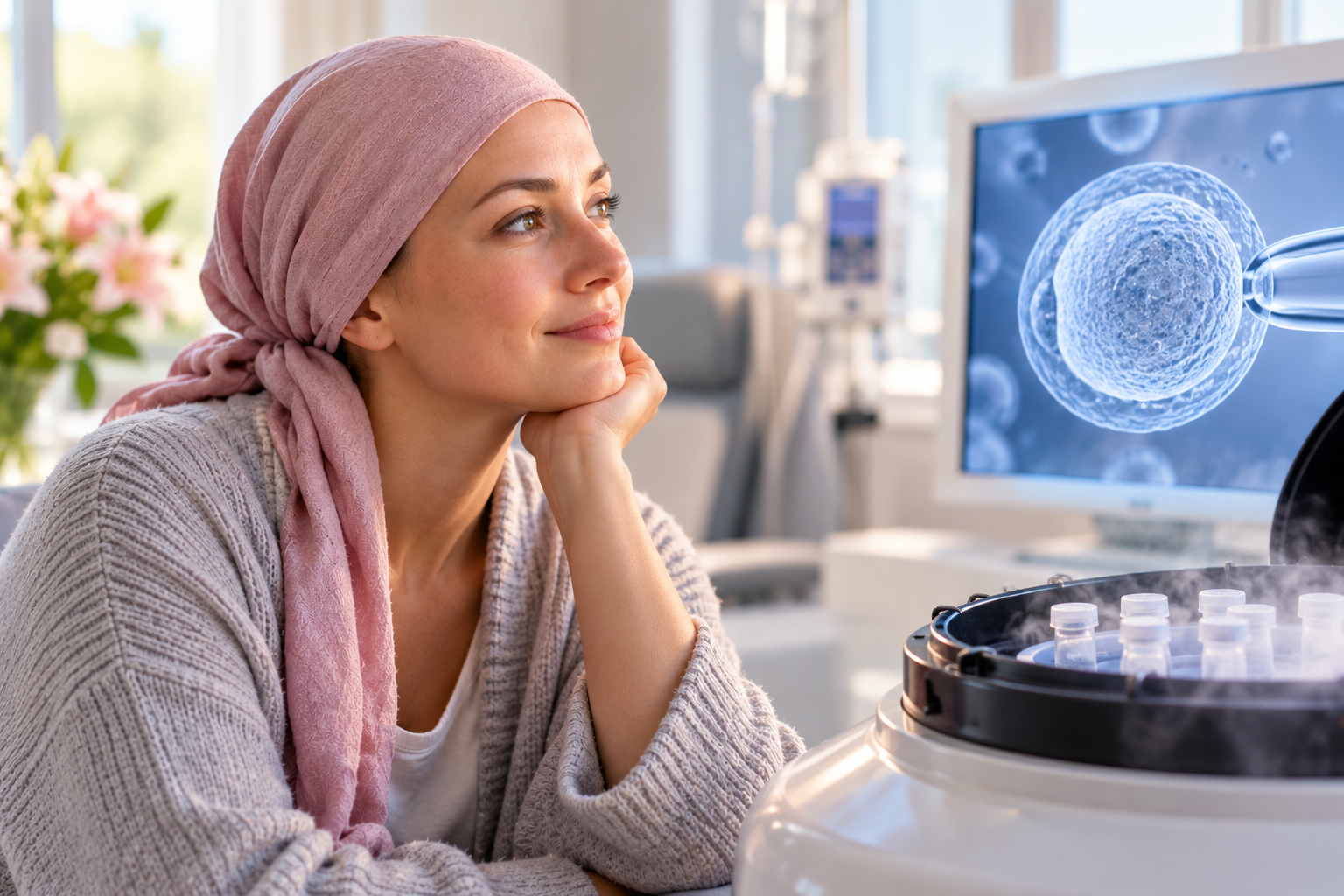
Learn how cancer treatment can affect fertility and how egg freezing may help preserve future options. Explore fertility preservation before chemotherapy or radiation in Fishkill, NY.

For many women, the timing of starting a family doesn’t always line up perfectly with the timing of their fertility. You may be focused on your education or career, waiting for the right partner, managing a medical situation, or simply not feel ready to have children yet. Egg freezing can provide an opportunity to preserve younger eggs for potential use in the future. At Hudson Valley Fertility, we help patients understand their fertility and determine whether egg freezing may be an appropriate option for their individual goals. What Is Egg Freezing? Egg freezing, also known as oocyte cryopreservation, is a fertility preservation treatment that allows eggs to be retrieved from the ovaries and frozen for possible future use. The process is similar to the beginning stages of an IVF cycle. However, instead of fertilizing the retrieved eggs right away, mature eggs are frozen and stored. If you decide to use your frozen eggs in the future, they can be thawed and fertilized with sperm to create embryos. An embryo may then be transferred to the uterus as part of an IVF cycle. Why Do Women Freeze Their Eggs? There isn't one "right" reason to consider egg freezing. Some women choose to freeze their eggs because they know they want children someday but aren't ready to become parents now. Others may be facing circumstances that could affect their future fertility. Reasons for considering egg freezing can include: Focusing on school or a career Not having found the right partner Wanting more time before starting a family Preparing for certain medical treatments that may affect fertility Having a condition that could potentially affect ovarian function Wanting to preserve younger eggs for possible future use Egg freezing can provide more reproductive options, but it is important to understand that freezing eggs does not guarantee a future pregnancy. Why Does Age Matter When Freezing Your Eggs? One of the most important factors in egg freezing is the age of the eggs when they are frozen. Women are born with the eggs they will have throughout their reproductive lives. As age increases, both the number and overall quality of available eggs generally decline. This becomes particularly important as women move through their 30s and into their 40s. When you freeze eggs, you are essentially preserving them at their current biological age. For example, eggs frozen at age 30 remain eggs that were retrieved at age 30 even if you don't use them until years later. That's one reason discussing fertility preservation before you are ready to become pregnant can be valuable. What Is the Best Age to Freeze Your Eggs? There is no single perfect age for everyone. In general, egg freezing tends to offer greater potential when performed at younger reproductive ages because egg quantity and quality typically decline with age. But age isn't the only consideration. Your ovarian reserve, medical history, reproductive goals, family-building plans, and other individual factors can all play a role. A fertility evaluation can help you better understand your current fertility and whether egg freezing makes sense for you. What Happens During the Egg Freezing Process? Although every patient's treatment plan is individualized, the egg freezing process typically includes several steps. 1. Fertility Evaluation Your journey begins with a consultation and fertility evaluation. Your fertility specialist may review your medical and reproductive history and recommend testing to better understand your ovarian reserve. 2. Ovarian Stimulation Fertility medications are used to encourage multiple follicles to develop during the same cycle rather than the single egg that typically develops during a natural menstrual cycle. During this period, your response is monitored through appointments that may include bloodwork and ultrasound examinations. 3. Egg Retrieval Once the follicles are ready, the eggs are collected during an egg retrieval procedure. The eggs are then evaluated to determine which are mature and appropriate for freezing. 4 . Egg Freezing Mature eggs can be frozen using a rapid-freezing technique known as vitrification. The frozen eggs can then remain stored until you are ready to consider using them. How Many Eggs Should I Freeze? This is one of the most common questions patients ask about egg freezing, and there isn't a universal number that applies to everyone. The number of eggs retrieved during a cycle can vary based on factors such as: Age Ovarian reserve Response to fertility medications Individual reproductive health Future family-building goals Some patients may also consider more than one egg-freezing cycle depending on their circumstances. Your fertility specialist can discuss realistic expectations based on your individual test results rather than relying on a one-size-fits-all number. Does Freezing Your Eggs Guarantee a Baby Later? No. Egg freezing is a method of fertility preservation, not a guarantee of future pregnancy or live birth. Not every frozen egg will survive thawing, successfully fertilize, develop into a viable embryo, implant, or result in a live birth. Success can depend on multiple factors, with the age and quality of the eggs at the time they were frozen being particularly important. Understanding these limitations is an important part of deciding whether egg freezing is right for you. Should I Consider Egg Freezing If I'm Not Ready for Children? You don't have to know exactly when—or even whether—you'll want to use your frozen eggs before having a conversation about fertility preservation. If having biological children in the future is important to you but parenthood isn't part of your immediate plans, learning about your fertility now can help you understand your options. The goal isn't to pressure you into treatment. It's to give you information that can help you make decisions about your reproductive future on your own timeline. Egg Freezing in the Hudson Valley, NY If you're considering egg freezing in the Hudson Valley, you don't necessarily have to travel to New York City to begin exploring your fertility preservation options. Hudson Valley Fertility provides fertility care in Fishkill, New York, helping patients throughout Dutchess County and surrounding Hudson Valley communities access fertility evaluation and treatment closer to home. Our team can help you understand your ovarian reserve, discuss your future family-building goals, and determine whether egg freezing may be appropriate for you. Frequently Asked Questions About Egg Freezing Does freezing eggs stop them from aging? Eggs do not continue biologically aging while they are frozen. Their potential is largely associated with the age at which they were retrieved and frozen. Is egg freezing the same as IVF? The initial portions of treatment are similar because both can involve ovarian stimulation, monitoring, and egg retrieval. With egg freezing, however, mature eggs are frozen rather than immediately fertilized to create embryos. Can I freeze my eggs if I'm single? Yes. Many women consider egg freezing specifically because they would like the possibility of having biological children in the future but aren't currently ready to start a family or haven't found the right partner. Is 35 too late to freeze my eggs? Not necessarily. Fertility varies considerably between individuals. Because egg quantity and quality generally decline with age, an individualized fertility evaluation is the best way to understand your options. Can I freeze eggs in my 40s? Egg freezing may still be discussed at older reproductive ages, but age-related changes in egg quantity and quality become increasingly important. A fertility specialist can evaluate your individual situation and discuss realistic expectations and potential alternatives. How long can frozen eggs be stored? Properly cryopreserved eggs can potentially remain frozen for years. Your fertility clinic can explain storage policies, fees, and considerations associated with long-term storage. Take the First Step Toward Understanding Your Fertility You may not be ready to have a baby today—but that doesn't mean you can't learn about your options for tomorrow. If you're considering egg freezing or fertility preservation in the Hudson Valley, the first step is simply getting more information. Schedule a consultation with Hudson Valley Fertility in Fishkill, NY to learn more about your fertility, ovarian reserve, and whether egg freezing could be part of your future family-building plan. Your future doesn't have to follow someone else's timeline. Understanding your fertility today can give you more information to make the choices that are right for you.

When you’re trying to conceive, nutrition can play an important role in preparing your body for pregnancy. One nutrient you’ll hear about frequently is folic acid —and for good reason. Folic acid, a form of vitamin B9, supports the production of new cells and is especially important before conception and during the earliest stages of pregnancy. While taking folic acid does not guarantee that you will become pregnant, getting enough of this essential nutrient is an important part of preconception and prenatal health . If you're trying to conceive naturally or undergoing fertility treatment, understanding the role of folic acid for fertility and pregnancy can help you prepare for the next step in your family-building journey.
Choosing a fertility clinic is a deeply personal decision. Success rates, treatment options, location, insurance coverage, and cost may all influence your choice—but there is another factor patients may not immediately consider: Who owns and operates the fertility practice? Across healthcare, including reproductive medicine, some independent medical practices have become part of larger healthcare organizations, fertility networks, or corporate groups. Other fertility clinics remain independently owned and physician-operated. Neither ownership structure alone determines the quality of care you will receive. However, understanding how a fertility practice is structured can help you ask better questions and choose a fertility clinic that aligns with what you value. At Hudson Valley Fertility in Fishkill, NY, our practice is physician-owned and operated. For patients throughout the Hudson Valley, that means fertility care is delivered within an independent practice where medical leadership remains closely connected to patient care.
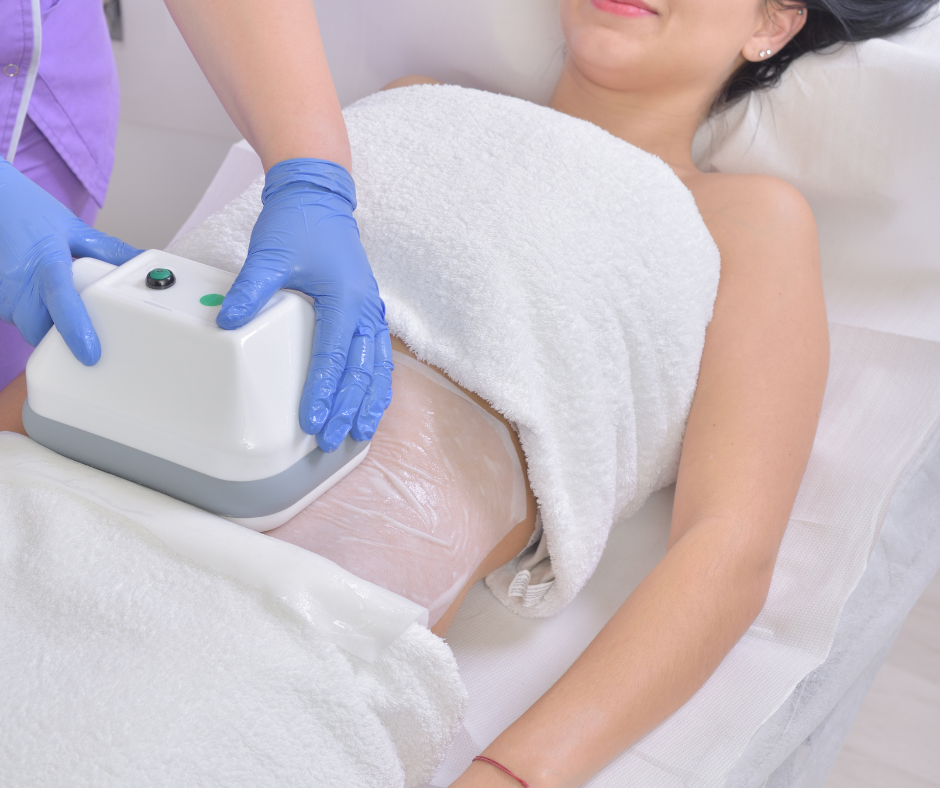
How Much Does Egg Freezing Cost? If you've been thinking about preserving your fertility for the future, one of the first questions you probably have is: How much does egg freezing cost? The answer depends on several factors, including where you receive treatment, the medications required, and how long you choose to store your eggs. While egg freezing is an investment, many patients find that preserving healthy eggs at a younger age can provide more family-building options later in life. At Hudson Valley Fertility, we believe patients deserve transparent information so they can make informed decisions about their reproductive future.

For many people, turning 35 feels like a milestone—and when it comes to fertility, it's often surrounded by myths and unnecessary fear. You may have heard the phrase "advanced maternal age" or been told that your fertility dramatically declines the moment you turn 35. The reality is much more nuanced. While fertility does gradually change with age, 35 is not a deadline. It's simply a good time to become more informed about your reproductive health, especially if you're planning to start or grow your family in the future. At Hudson Valley Fertility, we believe knowledge empowers you to make confident decisions about your family-building journey.

As summer arrives in the Hudson Valley, many of us naturally spend more time outside enjoying longer days, warmer temperatures, and sunshine. If you're trying to conceive, you may have heard that spending time in the sun can improve fertility. But what does the science actually say? The short answer is this: sunlight is not a treatment for infertility, but healthy sun exposure may support several aspects of overall health that are important for reproductive wellness.

Building a family is an exciting milestone, and for many same-sex couples, assisted reproductive technology provides a safe, effective, and personalized path to parenthood. Two of the most common fertility treatment options are Intrauterine Insemination (IUI) and In Vitro Fertilization (IVF) . While both treatments have helped countless families grow, the right choice depends on several factors, including your family's goals, medical history, age, fertility health, timeline, and budget. At Hudson Valley Fertility, we believe every family-building journey deserves individualized care. Here's what same-sex couples should know when deciding between IVF and IUI.

Starting a family is an exciting and meaningful journey. Today, advances in reproductive medicine have created more opportunities than ever for LGBTQ+ individuals and couples to achieve their dreams of parenthood. At HV Fertility, we are committed to providing compassionate, personalized fertility care that helps every family grow. For gay couples, there are several pathways to parenthood, including surrogacy, egg donation, sperm donation, and fertility preservation. Understanding your options can help you make informed decisions and create a family-building plan that aligns with your goals.