Creating Your Fertility Plan for 2026: A Smart, Hopeful Approach with Hudson Valley Fertility
Meta Description: Creating your fertility plan for 2026 starts with expert guidance, personalized care, and confidence. Learn how Hudson Valley Fertility helps you plan ahead with clarity and hope.Planning for a family is one of life’s most meaningful journeys. As we look ahead, creating your fertility plan for 2026 is a proactive step that allows you to align your health, goals, and timeline with expert medical guidance. At Hudson Valley Fertility , patients are empowered to plan with intention, supported by advanced reproductive care and compassionate expertise.
Whether you are just beginning to think about growing your family, preserving fertility for the future, or exploring treatment options, starting early can make all the difference. Let’s walk through how to thoughtfully and confidently build your fertility plan for 2026.

Why Creating Your Fertility Plan for 2026 Matters
Fertility planning is no longer just about reacting to challenges, it’s about preparation, knowledge, and choice. Looking ahead to 2026 gives you time to understand your reproductive health and make informed decisions without pressure.Key benefits of planning ahead include:
- A clearer understanding of your fertility timeline
- More treatment and preservation options
- Reduced stress through proactive decision-making
- The ability to coordinate family goals with career, finances, and lifestyle
At Hudson Valley Fertility, long-term planning is encouraged so patients feel informed, supported, and confident every step of the way.
Step 1: Start with a Fertility Assessment
Every fertility plan begins with understanding where you are today. A comprehensive fertility assessment provides insight into your reproductive health and helps shape realistic goals for 2026.This evaluation may include:
- Hormonal bloodwork
- Ultrasound imaging
- Ovarian reserve testing
- Semen analysis (when applicable)
- Review of medical and family history
These results allow specialists to identify opportunities, address potential challenges early, and customize a fertility roadmap that fits your life.
Step 2: Define Your Personal Fertility Goals
Creating your fertility plan for 2026 means looking at the bigger picture. Everyone’s goals are different, and that’s okay.You may be planning to:
- Try to conceive naturally within the next year or two
- Explore fertility treatments such as IUI or IVF
- Preserve fertility through egg or embryo freezing
- Build a family as a single parent or same-sex couple
Hudson Valley Fertility takes a personalized approach, ensuring your plan reflects your values, timeline, and family vision, not a one-size-fits-all model.
Step 3: Explore Fertility Preservation Options
For many individuals and couples, fertility preservation plays a key role in future planning. Egg freezing and embryo freezing provide flexibility and peace of mind, especially if pregnancy is not part of your immediate plan.Common reasons patients consider fertility preservation include:
- Career or educational goals
- Medical treatments that may affect fertility
- Not having the right partner yet
- Wanting more control over future family building
By planning ahead for 2026, you give yourself more ch oices and time to decide what feels right.
Step 4: Build a Treatment Timeline That Works for You
One of the most empowering parts of fertility planning is having a clear timeline. Rather than rushing decisions, you can map out when to test, treat, preserve, or pause.A fertility plan may include:
- Lifestyle and wellness recommendations
- Follow-up testing at key milestones
- Target windows for conception or treatment
- Backup options if plans change
Hudson Valley Fertility works closely with patients to create flexible timelines that adapt as life evolves, because fertility journeys are rarely linear.
Step 5: Prioritize Whole-Person Care
Fertility is not just physical, it’s emotional and mental too. Stress, uncertainty, and information overload can take a toll, especially when planning for the future.That’s why comprehensive fertility care includes:
- Open, honest communication with your care team
- Emotional support and counseling resources
- Clear education about options and outcomes
- A welcoming, inclusive environment
Patients at Hudson Valley Fertility are treated as partners in care, not just patients, ensuring support that goes beyond medical treatment.
Frequently Asked Questions About Creating Your Fertility Plan for 2026
When is the best time to start fertility planning?
The best time is now. Even if 2026 feels far away, early planning provides more options and clarity.Do I need fertility treatment to make a fertility plan?
Not at all. Many plans focus on assessment, education, and future preparation without immediate treatment.Can fertility plans change over time?
Yes. Fertility plans are flexible and evolve with your health, life circumstances, and goals.Is fertility planning only for women?
No. Fertility planning involves all partners and individuals, including men and those pursuing solo or LGBTQ+ family building.Does age affect fertility planning?
Age plays a role, but planning early—at any age—helps identify the best path forward.How does Hudson Valley Fertility personalize care?
Care plans are based on individual test results, goals, timelines, and personal circumstances, ensuring no two plans are the same. Looking Ahead with Confidence
Creating your fertility plan for 2026 is an investment in your future and your peace of mind. With the guidance of Hudson Valley Fertility, you don’t have to navigate this journey alone. By planning ahead, staying informed, and working with experienced specialists, you can approach the future with confidence, clarity, and hope.If you’re ready to take the first step, now is the perfect time to start the conversation.
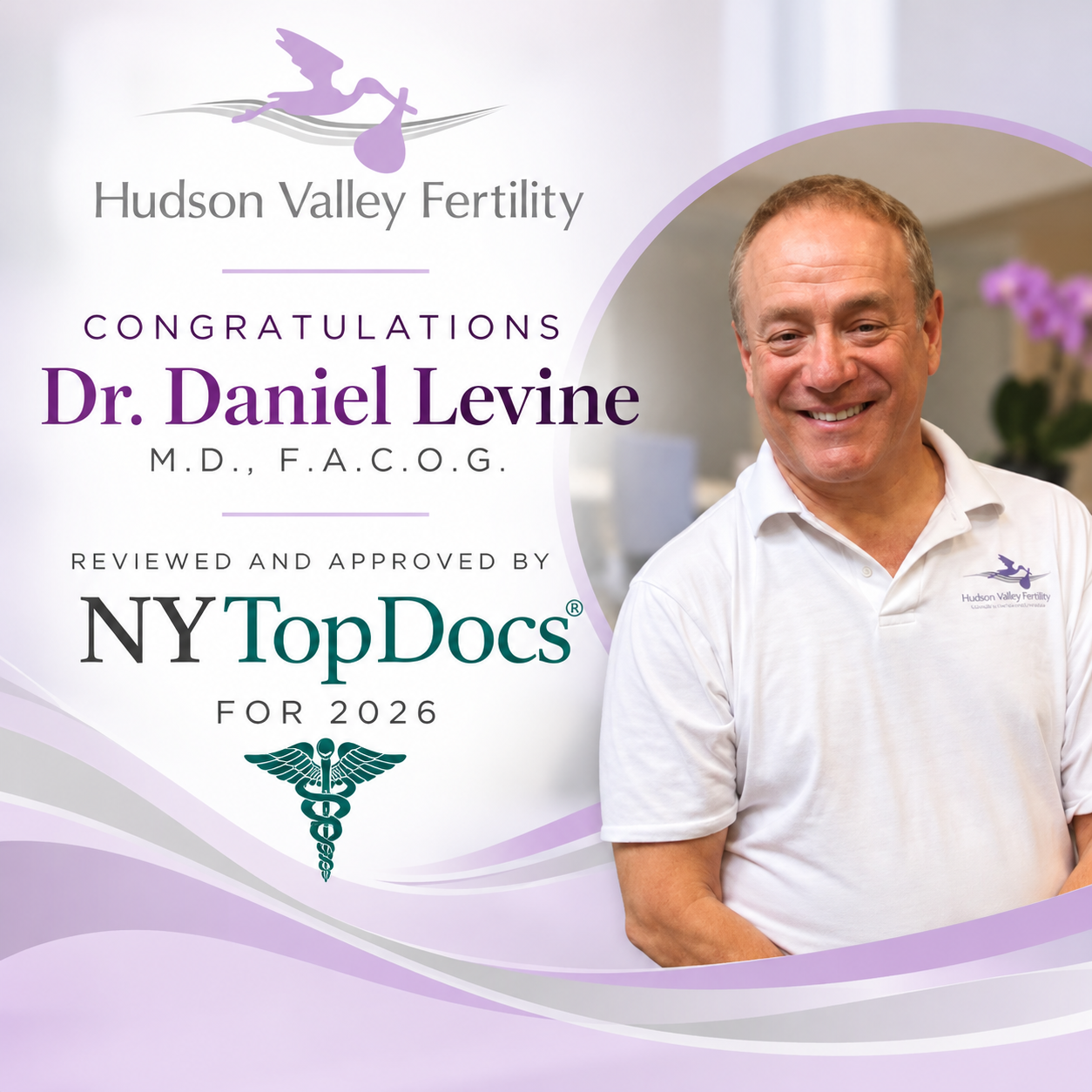
Hudson Valley Fertility celebrates Dr. Daniel Levine's 2026 NY Top Docs recognition for his experience and compassionate fertility care in Fishkill, NY.
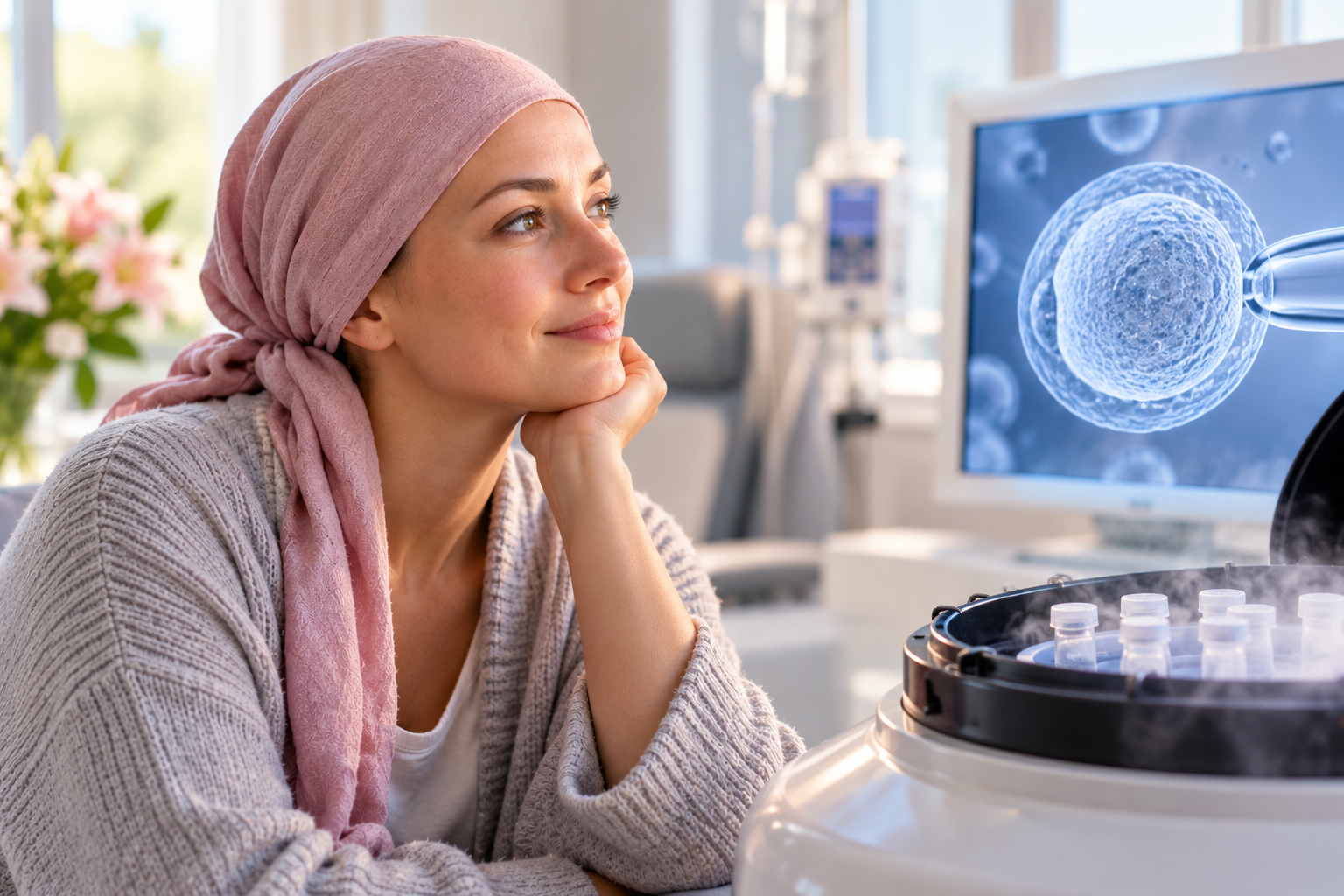
Learn how cancer treatment can affect fertility and how egg freezing may help preserve future options. Explore fertility preservation before chemotherapy or radiation in Fishkill, NY.

For many women, the timing of starting a family doesn’t always line up perfectly with the timing of their fertility. You may be focused on your education or career, waiting for the right partner, managing a medical situation, or simply not feel ready to have children yet. Egg freezing can provide an opportunity to preserve younger eggs for potential use in the future. At Hudson Valley Fertility, we help patients understand their fertility and determine whether egg freezing may be an appropriate option for their individual goals. What Is Egg Freezing? Egg freezing, also known as oocyte cryopreservation, is a fertility preservation treatment that allows eggs to be retrieved from the ovaries and frozen for possible future use. The process is similar to the beginning stages of an IVF cycle. However, instead of fertilizing the retrieved eggs right away, mature eggs are frozen and stored. If you decide to use your frozen eggs in the future, they can be thawed and fertilized with sperm to create embryos. An embryo may then be transferred to the uterus as part of an IVF cycle. Why Do Women Freeze Their Eggs? There isn't one "right" reason to consider egg freezing. Some women choose to freeze their eggs because they know they want children someday but aren't ready to become parents now. Others may be facing circumstances that could affect their future fertility. Reasons for considering egg freezing can include: Focusing on school or a career Not having found the right partner Wanting more time before starting a family Preparing for certain medical treatments that may affect fertility Having a condition that could potentially affect ovarian function Wanting to preserve younger eggs for possible future use Egg freezing can provide more reproductive options, but it is important to understand that freezing eggs does not guarantee a future pregnancy. Why Does Age Matter When Freezing Your Eggs? One of the most important factors in egg freezing is the age of the eggs when they are frozen. Women are born with the eggs they will have throughout their reproductive lives. As age increases, both the number and overall quality of available eggs generally decline. This becomes particularly important as women move through their 30s and into their 40s. When you freeze eggs, you are essentially preserving them at their current biological age. For example, eggs frozen at age 30 remain eggs that were retrieved at age 30 even if you don't use them until years later. That's one reason discussing fertility preservation before you are ready to become pregnant can be valuable. What Is the Best Age to Freeze Your Eggs? There is no single perfect age for everyone. In general, egg freezing tends to offer greater potential when performed at younger reproductive ages because egg quantity and quality typically decline with age. But age isn't the only consideration. Your ovarian reserve, medical history, reproductive goals, family-building plans, and other individual factors can all play a role. A fertility evaluation can help you better understand your current fertility and whether egg freezing makes sense for you. What Happens During the Egg Freezing Process? Although every patient's treatment plan is individualized, the egg freezing process typically includes several steps. 1. Fertility Evaluation Your journey begins with a consultation and fertility evaluation. Your fertility specialist may review your medical and reproductive history and recommend testing to better understand your ovarian reserve. 2. Ovarian Stimulation Fertility medications are used to encourage multiple follicles to develop during the same cycle rather than the single egg that typically develops during a natural menstrual cycle. During this period, your response is monitored through appointments that may include bloodwork and ultrasound examinations. 3. Egg Retrieval Once the follicles are ready, the eggs are collected during an egg retrieval procedure. The eggs are then evaluated to determine which are mature and appropriate for freezing. 4 . Egg Freezing Mature eggs can be frozen using a rapid-freezing technique known as vitrification. The frozen eggs can then remain stored until you are ready to consider using them. How Many Eggs Should I Freeze? This is one of the most common questions patients ask about egg freezing, and there isn't a universal number that applies to everyone. The number of eggs retrieved during a cycle can vary based on factors such as: Age Ovarian reserve Response to fertility medications Individual reproductive health Future family-building goals Some patients may also consider more than one egg-freezing cycle depending on their circumstances. Your fertility specialist can discuss realistic expectations based on your individual test results rather than relying on a one-size-fits-all number. Does Freezing Your Eggs Guarantee a Baby Later? No. Egg freezing is a method of fertility preservation, not a guarantee of future pregnancy or live birth. Not every frozen egg will survive thawing, successfully fertilize, develop into a viable embryo, implant, or result in a live birth. Success can depend on multiple factors, with the age and quality of the eggs at the time they were frozen being particularly important. Understanding these limitations is an important part of deciding whether egg freezing is right for you. Should I Consider Egg Freezing If I'm Not Ready for Children? You don't have to know exactly when—or even whether—you'll want to use your frozen eggs before having a conversation about fertility preservation. If having biological children in the future is important to you but parenthood isn't part of your immediate plans, learning about your fertility now can help you understand your options. The goal isn't to pressure you into treatment. It's to give you information that can help you make decisions about your reproductive future on your own timeline. Egg Freezing in the Hudson Valley, NY If you're considering egg freezing in the Hudson Valley, you don't necessarily have to travel to New York City to begin exploring your fertility preservation options. Hudson Valley Fertility provides fertility care in Fishkill, New York, helping patients throughout Dutchess County and surrounding Hudson Valley communities access fertility evaluation and treatment closer to home. Our team can help you understand your ovarian reserve, discuss your future family-building goals, and determine whether egg freezing may be appropriate for you. Frequently Asked Questions About Egg Freezing Does freezing eggs stop them from aging? Eggs do not continue biologically aging while they are frozen. Their potential is largely associated with the age at which they were retrieved and frozen. Is egg freezing the same as IVF? The initial portions of treatment are similar because both can involve ovarian stimulation, monitoring, and egg retrieval. With egg freezing, however, mature eggs are frozen rather than immediately fertilized to create embryos. Can I freeze my eggs if I'm single? Yes. Many women consider egg freezing specifically because they would like the possibility of having biological children in the future but aren't currently ready to start a family or haven't found the right partner. Is 35 too late to freeze my eggs? Not necessarily. Fertility varies considerably between individuals. Because egg quantity and quality generally decline with age, an individualized fertility evaluation is the best way to understand your options. Can I freeze eggs in my 40s? Egg freezing may still be discussed at older reproductive ages, but age-related changes in egg quantity and quality become increasingly important. A fertility specialist can evaluate your individual situation and discuss realistic expectations and potential alternatives. How long can frozen eggs be stored? Properly cryopreserved eggs can potentially remain frozen for years. Your fertility clinic can explain storage policies, fees, and considerations associated with long-term storage. Take the First Step Toward Understanding Your Fertility You may not be ready to have a baby today—but that doesn't mean you can't learn about your options for tomorrow. If you're considering egg freezing or fertility preservation in the Hudson Valley, the first step is simply getting more information. Schedule a consultation with Hudson Valley Fertility in Fishkill, NY to learn more about your fertility, ovarian reserve, and whether egg freezing could be part of your future family-building plan. Your future doesn't have to follow someone else's timeline. Understanding your fertility today can give you more information to make the choices that are right for you.
When you’re trying to conceive, nutrition can play an important role in preparing your body for pregnancy. One nutrient you’ll hear about frequently is folic acid —and for good reason. Folic acid, a form of vitamin B9, supports the production of new cells and is especially important before conception and during the earliest stages of pregnancy. While taking folic acid does not guarantee that you will become pregnant, getting enough of this essential nutrient is an important part of preconception and prenatal health . If you're trying to conceive naturally or undergoing fertility treatment, understanding the role of folic acid for fertility and pregnancy can help you prepare for the next step in your family-building journey.
Choosing a fertility clinic is a deeply personal decision. Success rates, treatment options, location, insurance coverage, and cost may all influence your choice—but there is another factor patients may not immediately consider: Who owns and operates the fertility practice? Across healthcare, including reproductive medicine, some independent medical practices have become part of larger healthcare organizations, fertility networks, or corporate groups. Other fertility clinics remain independently owned and physician-operated. Neither ownership structure alone determines the quality of care you will receive. However, understanding how a fertility practice is structured can help you ask better questions and choose a fertility clinic that aligns with what you value. At Hudson Valley Fertility in Fishkill, NY, our practice is physician-owned and operated. For patients throughout the Hudson Valley, that means fertility care is delivered within an independent practice where medical leadership remains closely connected to patient care.
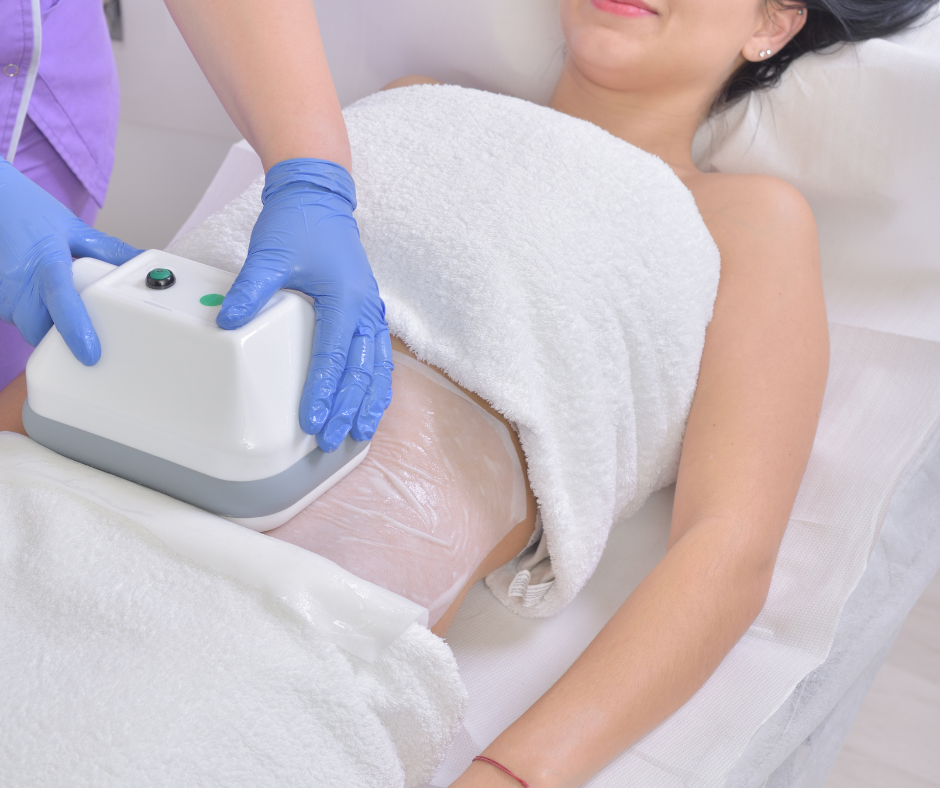
How Much Does Egg Freezing Cost? If you've been thinking about preserving your fertility for the future, one of the first questions you probably have is: How much does egg freezing cost? The answer depends on several factors, including where you receive treatment, the medications required, and how long you choose to store your eggs. While egg freezing is an investment, many patients find that preserving healthy eggs at a younger age can provide more family-building options later in life. At Hudson Valley Fertility, we believe patients deserve transparent information so they can make informed decisions about their reproductive future.

For many people, turning 35 feels like a milestone—and when it comes to fertility, it's often surrounded by myths and unnecessary fear. You may have heard the phrase "advanced maternal age" or been told that your fertility dramatically declines the moment you turn 35. The reality is much more nuanced. While fertility does gradually change with age, 35 is not a deadline. It's simply a good time to become more informed about your reproductive health, especially if you're planning to start or grow your family in the future. At Hudson Valley Fertility, we believe knowledge empowers you to make confident decisions about your family-building journey.

As summer arrives in the Hudson Valley, many of us naturally spend more time outside enjoying longer days, warmer temperatures, and sunshine. If you're trying to conceive, you may have heard that spending time in the sun can improve fertility. But what does the science actually say? The short answer is this: sunlight is not a treatment for infertility, but healthy sun exposure may support several aspects of overall health that are important for reproductive wellness.

Building a family is an exciting milestone, and for many same-sex couples, assisted reproductive technology provides a safe, effective, and personalized path to parenthood. Two of the most common fertility treatment options are Intrauterine Insemination (IUI) and In Vitro Fertilization (IVF) . While both treatments have helped countless families grow, the right choice depends on several factors, including your family's goals, medical history, age, fertility health, timeline, and budget. At Hudson Valley Fertility, we believe every family-building journey deserves individualized care. Here's what same-sex couples should know when deciding between IVF and IUI.

Starting a family is an exciting and meaningful journey. Today, advances in reproductive medicine have created more opportunities than ever for LGBTQ+ individuals and couples to achieve their dreams of parenthood. At HV Fertility, we are committed to providing compassionate, personalized fertility care that helps every family grow. For gay couples, there are several pathways to parenthood, including surrogacy, egg donation, sperm donation, and fertility preservation. Understanding your options can help you make informed decisions and create a family-building plan that aligns with your goals.