5 Eye-Opening Secrets About Egg Freezing You Need to Know
Discover 5 surprising facts no one tells you about egg freezing with Hudson Valley Fertility. Learn the truth, costs, success rates, and more.
Introduction to Egg Freezing
Egg freezing has become a powerful option for women who want to take control of their reproductive future. At Hudson Valley Fertility, more patients are exploring egg freezing as a way to preserve fertility while focusing on career, health, or personal goals.
But here’s the thing: while egg freezing is often talked about, there are still many hidden facts that people don’t fully understand. If you're considering this journey, knowing the lesser-known details can make a huge difference in your expectations and decisions.
Let’s dive into five things no one really tells you about egg freezing, but absolutely should.
Understanding the Basics of Egg Freezing: What Is Egg Freezing?
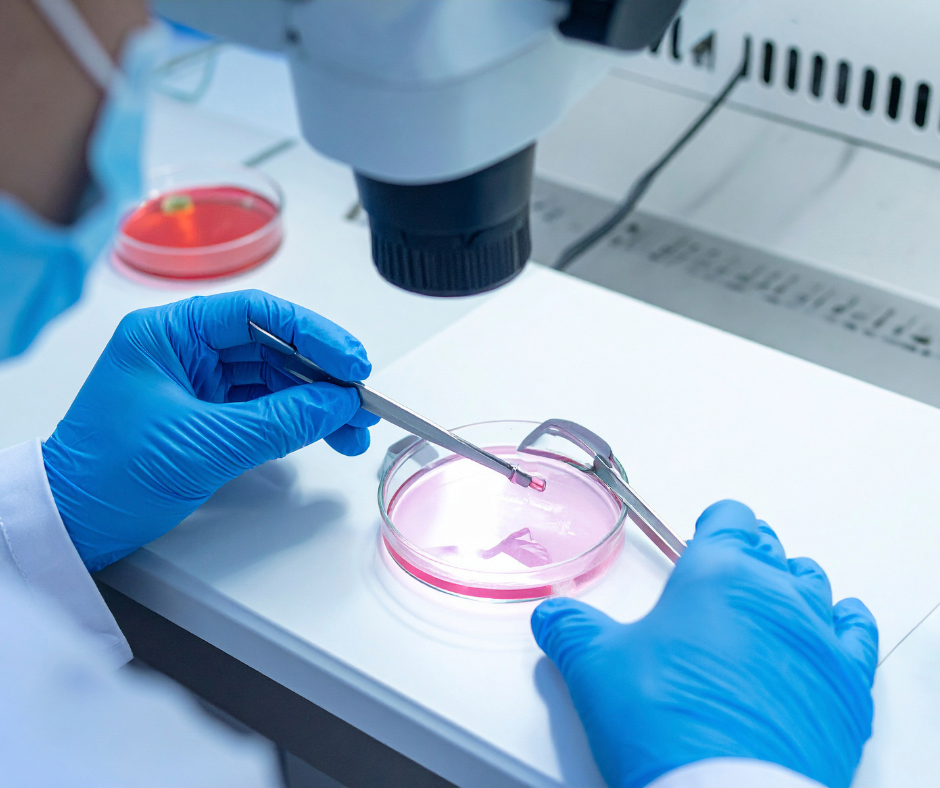
Egg freezing, also known as oocyte cryopreservation, is a process where a woman’s eggs are retrieved, frozen, and stored for future use. These eggs can later be thawed, fertilized, and implanted through IVF.
Step-by-Step Process Overview
Here’s how it typically works:
- Ovarian stimulation using hormones
- Monitoring via bloodwork and ultrasounds
- Egg retrieval procedure
- Freezing and storage
It sounds straightforward, but each step plays a critical role in the outcome.

1. Egg Quality Depends on Your Age—Even When Frozen
Why Timing Matters More Than You Think
One of the biggest misconceptions about egg freezing is that it “pauses” aging completely. In reality, the quality of your eggs at the time of freezing is what matters most.
If eggs are frozen at age 25, they retain that quality. But if frozen at 38, they reflect that age too.
Ideal Age Range for Freezing Eggs
- Best outcomes: Late 20s to early 30s
- Still viable: Mid-30s
- Lower success rates: Late 30s and beyond
That’s why specialists at Hudson Valley Fertility often recommend early consultation—even if you're not ready yet.
2. Not All Eggs Survive the Thawing Process
Survival Rates Explained
Here’s a fact many people don’t realize:
Not every egg makes it through the thawing process.
- Average survival rate: 70–80%
- Some eggs may not fertilize even after thawing
How Clinics Improve Success Rates
Advanced labs, like those at Hudson Valley Fertility, use vitrification, a rapid freezing technique that significantly improves survival rates.
Still, patients are often advised to freeze multiple eggs to increase the chances of success later.
3. Hormonal Stimulation Is a Key Part of the Process
What to Expect During Hormone Treatment
Egg freezing isn’t a one-day process. It involves daily hormone injections for about 10–12 days to stimulate egg production.
During this time, you’ll have:
- Frequent monitoring appointments
- Blood tests
- Ultrasounds
Side Effects and Safety
Common side effects include:
- Bloating
- Mood swings
- Mild discomfort
The process is generally safe, especially when supervised by experienced fertility specialists.
4. Egg Freezing Comes with Ongoing Costs
Initial vs Long-Term Expenses
Egg freezing is an investment—not just upfront, but over time.
Typical costs include:
- Initial cycle: $8,000–$15,000
- Medications: $3,000–$6,000
- Annual storage fees: $500–$1,000
Insurance and Financing Options
Some employers now offer fertility benefits, and clinics like Hudson Valley Fertility provide financing plans to make treatment more accessible.
5. Success Rates Are Not Guaranteed
Factors That Influence Outcomes
Egg freezing increases your chances—but it’s not a guarantee.
Success depends on:
- Age at freezing
- Number of eggs stored
- Overall health
- IVF success rates
Realistic Expectations
It’s important to approach egg freezing as a backup plan, not a certainty. Honest conversations with fertility specialists can help set realistic expectations.

Benefits of Egg Freezing
Egg freezing offers several advantages:
- Greater reproductive control
- Flexibility in life planning
- Peace of mind
- Option to delay pregnancy safely
Risks and Considerations
While generally safe, egg freezing does come with considerations:
- Emotional stress
- Financial commitment
- No guaranteed outcome
Understanding both sides helps you make a confident decision.
Choosing the Right Fertility Clinic
Why Hudson Valley Fertility Stands Out
Hudson Valley Fertility offers:
- Personalized care plans
- Advanced lab technology
- Compassionate support
- High success standards
Choosing the right clinic can make all the difference in your journey.
FAQs About Egg Freezing
1. How long can eggs be stored?
Eggs can be safely stored for many years, depending on clinic policies and regulations.
2. Is egg freezing painful?
Most patients experience mild discomfort, but the procedure is generally well tolerated.
3. How many eggs should I freeze?
Doctors often recommend freezing 10–20 eggs for better chances.
4. Can I get pregnant naturally after freezing eggs?
Yes! Egg freezing doesn’t affect your natural fertility.
5. Is egg freezing safe?
Yes, when done under medical supervision, it’s considered very safe.
6. When should I consider egg freezing?
Ideally in your late 20s or early 30s, but it depends on personal circumstances.
Conclusion
Egg freezing is a powerful tool—but it’s not as simple as it seems. From age-related egg quality to costs and success rates, there’s a lot more beneath the surface.
At Hudson Valley Fertility, the goal is to empower patients with knowledge, transparency, and expert care, so they can make informed decisions about their future.
If you're thinking about egg freezing, now is the perfect time to learn more and take the first step.